
0%

Wholesale buyers entering 2026 are watching leather crossbody bags closely. These bags combine hands-free comfort, compact storage, and everyday styling.

Grand View Research valued the global leather goods market at approximately USD 468 billion in 2023. Its report projects continued growth through 2030, supported by premium accessories and rising online retail. Fortune Business Insights also identifies handbags as a strong category within fashion accessories. However, forecasts differ by research company, region, and product definition. Numbers should guide decisions, not replace them.

Demand is becoming more practical. Buyers increasingly examine leather thickness, edge painting, lining strength, strap adjustment, and hardware performance. A bag that looks attractive in a showroom may fail after repeated use. Small details matter.

Achim Berg, a fashion industry expert at McKinsey, described the sector as facing “a period of unprecedented change.” His observation remains relevant for leather crossbody bags. Wholesale customers now expect flexible colors, traceable materials, consistent sizing, and reliable delivery. Black and tan remain dependable, while muted green, burgundy, and soft metallics may create seasonal interest.

This guide evaluates the 2026 market from a buyer’s perspective. It considers wholesale value, construction quality, carrying comfort, and realistic retail potential. Not every fashionable shape will sell equally well. That is the uncomfortable part.

Some purchasing assumptions may need revision. Lower prices can hide costly returns, uneven stitching, or weak zippers. A better decision combines supplier evidence, physical samples, and customer feedback. This approach is less glamorous, but more dependable.
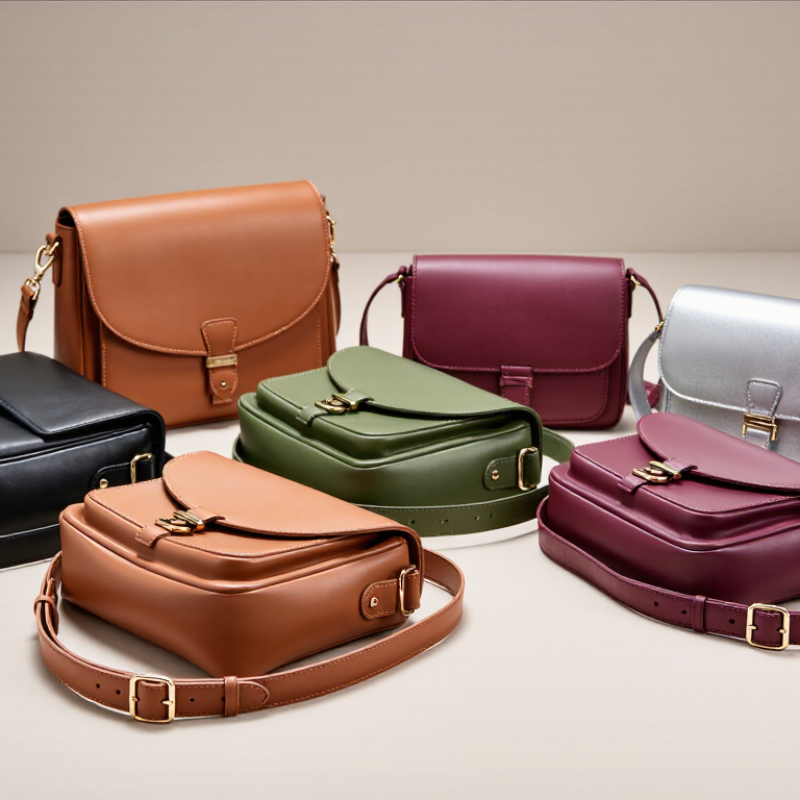
2026 Top Leather Crossbody Bags for Wholesale Buyers

Leather Crossbody Bag Market Trends for Wholesale Buyers in 2026

Leather crossbody bags are becoming more practical and expressive in the 2026 wholesale market. Buyers are requesting compact shapes with enough room for phones, cards, keys, and small cosmetics. Soft-grain leather remains popular because it feels comfortable against the body. Structured panels are also gaining attention. They help bags keep their shape on crowded retail shelves.

Color demand is moving beyond basic black and brown. Warm sand, muted olive, deep burgundy, and cloudy blue are appearing in seasonal collections. Adjustable straps matter more than before. A strap length of about 110 to 135 centimeters can fit different customers and selling regions. Buyers also examine zipper smoothness, edge painting, lining strength, and stitch density during sample checks. Small details often decide repeat orders.

Traceable material information is becoming essential for professional wholesale purchasing. Suppliers should provide clear leather origin details, production records, and consistent quality reports. Recycled or lower-impact leather options may attract environmentally aware retailers, but vague claims create distrust. They need evidence. In sampling work, I have seen attractive bags fail because the hardware scratched easily or the interior pocket was too narrow. Trend forecasting is useful, but it cannot replace physical inspection. Some fashionable mini bags look impressive in photos. They sell less when customers cannot carry daily essentials. Wholesale buyers should test comfort, durability, packaging, and expected retail pricing before confirming larger quantities.

Key Materials and Construction Standards for Wholesale Leather Bags

Wholesale leather crossbody bags need materials that survive repeated handling, not just attractive showroom lighting. Full-grain leather usually offers stronger fibers and develops visible character over time. Corrected leather can reduce surface variation, but excessive coating may crack at fold points. Buyers should request thickness records, leather origin documents, and color approval samples before placing large orders.

It should breathe.

A practical specification includes leather thickness, finish type, lining weight, and hardware composition. Vegetable-tanned leather feels firm and gains depth, while chrome-tanned leather often provides softer handling and consistent color. Neither option is automatically better. The right choice depends on price, climate, usage, and target customer.

In factory inspections, edge paint and folded seams deserve close attention. Uneven edges often reveal rushed production. Small details matter. Straps should use reinforced attachment points, preferably with box stitching and secure bar tacks. Zippers must run smoothly after repeated opening tests. Magnetic closures should hold firmly without damaging nearby cards or devices.

Construction standards also need measurable checks. Inspect sample bags for stitch density, symmetrical panels, accurate dimensions, and lining tension. A crossbody bag may look balanced until it carries a phone, wallet, and small bottle. Load testing can expose weak strap joints. Color rubbing and water-resistance tests are useful, though results vary by finish.

No material is flawless. I have seen beautiful leather fail because the lining was too thin. Wholesale buyers should record approved samples carefully and repeat inspections during production, not only before shipment.

Popular Leather Crossbody Styles and Functional Features

For wholesale buyers in 2026, leather crossbody bags should combine familiar shapes with practical movement. Grand View Research estimates the global handbags market will expand at about 6% annually through 2030. This growth supports steady demand for compact, hands-free designs. Buyers are watching utility more closely now.

Popular styles include camera bags, saddle shapes, rectangular flap bags, and soft half-moon silhouettes. Full-grain leather offers visible grain and long-term durability, while corrected leather supports more consistent wholesale pricing. Adjustable straps should fit different body types. Wide straps reduce shoulder pressure. Secure zippers, magnetic flaps, and organized interior pockets improve daily use. A phone pocket should fit larger devices without stretching the leather.

Small details matter. A reinforced strap anchor can prevent early tearing. Cotton twill lining feels lighter than heavy synthetic lining, but it may show stains sooner. Fortune Business Insights projects the handbags market to grow above 6% annually through 2030, indicating continued commercial potential. However, buyers should not treat every “leather” label as equal. Material composition, edge finishing, stitching density, and hardware testing need physical inspection. Some buyers still overvalue appearance. That can be costly. Color trends also deserve caution; neutral black, tan, and dark brown often provide safer repeat-order potential, while seasonal shades may need smaller trial quantities. A perfect forecast is impossible. Responsive replenishment may work better than a large first order.

How to Evaluate Suppliers, Pricing, and Minimum Order Quantities

2026 Top Leather Crossbody Bags for Wholesale Buyers

For wholesale buyers, leather crossbody bags deserve more than a polished photo review. Request samples from the intended production line. Check leather thickness, surface consistency, edge painting, lining, and zipper movement. A strong sample should survive repeated strap adjustment without loose stitches. Ask suppliers for material specifications and traceability records. Reliable suppliers explain defects openly. That matters more than fast replies. Small details reveal factory discipline.

Pricing should be compared by landed cost, not unit price alone. Include sampling fees, packaging, inspection, freight, and possible payment charges. Ask whether the quote uses full-grain, corrected-grain, or split leather. These materials can look similar online but perform differently. Request a written quotation with currency, validity period, production time, and included accessories. I once underestimated packaging volume, which made the final freight cost uncomfortable. Pricing analysis needs room for mistakes.

Minimum order quantities require practical negotiation. A 500-piece MOQ may lower costs but create slow-moving inventory. Ask whether colors can share one production quantity. Some suppliers accept a smaller pilot order with a higher unit price. This can test sizing, hardware durability, and customer response. Do not judge flexibility from promises alone. Put the agreed MOQ, sample approval process, and replacement terms in writing. Cash flow is often the overlooked limit. A cheaper order can still become an expensive lesson.

2026 Top Leather Crossbody Bags for Wholesale Buyers

Indicative wholesale pricing and minimum order quantity benchmarks for supplier evaluation.

Lower unit prices generally require higher order volumes. When comparing suppliers, evaluate leather grade, hardware quality, customization, compliance documentation, production lead time, sample approval, and shipping terms together with price and MOQ. The ranges shown are practical planning benchmarks; final quotations vary by material, construction, customization, and destination.

Quality Control, Customization, and Sustainable Sourcing Considerations

For 2026 wholesale collections, quality control starts before production. Request a leather specification, stitching standard, and hardware sample. Inspect three units from different production batches. A single approved sample can hide inconsistent grain, loose threads, or uneven edge paint.

Check strap strength with repeated load testing. Examine zipper movement, lining attachment, and pocket alignment. Ask for colorfastness and abrasion test results. These records make supplier claims more reliable. Still, paperwork is not enough. A physical inspection often reveals details that photographs miss. Small defects become expensive when multiplied across thousands of bags.

Customization should balance appearance, cost, and repeatability. Confirm logo placement, lining color, dimensions, packaging, and carton markings in a signed production sheet. A two-millimeter change can affect shelf presentation. It can also disrupt existing displays. Keep one sealed reference sample for future comparisons. Mistakes happen.

Sustainable sourcing requires specific evidence, not broad promises. Ask where the hides originate, how tanning wastewater is managed, and whether recycled materials have traceable content. Prefer suppliers that disclose energy use, chemical controls, and waste handling. Leather alternatives may reduce some impacts, but their coatings and disposal also deserve review. No option is perfect. Wholesale buyers should record compromises openly, then improve them with each buying cycle.

FAQS

What leather crossbody bag styles are popular for wholesale buyers in 2026?

Camera bags, saddle shapes, rectangular flap bags, and soft half-moon designs remain popular. Compact shapes support phones, cards, keys, and small cosmetics.

Which colors offer safer wholesale potential?

Black, tan, and dark brown usually support steadier repeat orders. Warm sand, muted olive, burgundy, and cloudy blue can add seasonal interest. Test small quantities.

What strap features should buyers check?

Adjustable straps around 110 to 135 centimeters can suit different customers. Wider straps may reduce shoulder pressure. Test strap anchors under repeated loads.

Which quality details deserve physical inspection?

Check zipper movement, stitch density, edge paint, lining attachment, and hardware surfaces. Look for loose threads and scratches. Photos can hide problems.

How can buyers test whether a phone pocket is practical?

Insert several phone sizes during sampling. The pocket should hold the phone without stretching the leather. It should not block other compartments.

What documents should suppliers provide for traceable sourcing?

Request leather origin details, production records, and consistent quality reports. Ask about wastewater, chemical controls, energy use, and waste handling. Vague claims create doubt.

How should wholesale buyers manage customization?

Confirm dimensions, lining color, logo placement, packaging, and carton markings in a signed production sheet. Keep one sealed reference sample. Small changes can disrupt displays.

Should buyers place large orders after approving one sample?

Not always. Inspect three units from different production batches. One attractive sample may hide inconsistent grain, uneven edges, or weak stitching.

How should seasonal colors and new shapes be tested?

Use smaller trial quantities and monitor customer response. Responsive replenishment may reduce risk. Forecasts help, but they are not perfect.

What makes a sustainable leather claim credible?

Evidence matters more than broad promises. Review traceable content, material origin, tanning controls, and disposal considerations. No material choice is completely impact-free.

Conclusion

In 2026, leather crossbody bags remain a practical and attractive choice for wholesale buyers seeking products that combine everyday functionality with lasting appeal. This article explores current market trends, including demand for lightweight designs, organized interiors, adjustable straps, secure closures, and versatile styles suitable for work, travel, and casual use. It also explains how leather type, lining, hardware, stitching, edge finishing, and overall construction influence product quality and customer satisfaction.

Wholesale buyers will learn how to compare suppliers by evaluating craftsmanship, production capacity, pricing transparency, minimum order quantities, lead times, and communication. The guide also highlights the importance of sample approval, quality-control inspections, customization options, and reliable packaging. In addition, it addresses sustainable sourcing considerations, such as responsible material selection, reduced waste, durable construction, and more transparent supply-chain practices. These insights can help buyers select competitive products while building a dependable and consistent wholesale collection.

Clara

Clara

Clara is a dedicated marketing professional with a strong understanding of the company’s products, customers, and industry landscape. She combines strategic thinking with clear, engaging communication to create valuable content for the company’s professional blog. Through her regular articles,......