
Scalable capacity across structured handbags, briefcases & SLGs.
Nearly 30 years of export excellence recognised by the Government of India.
Traceable raw materials adhering to global environmental standards.
Sedex-monitored labour, environmental, and fair factory governance.
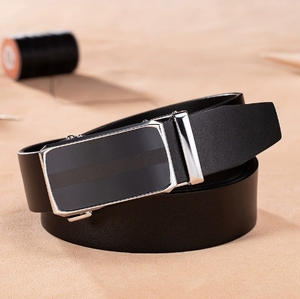
Constructed with hand-selected hides, reinforced bonded seams, and heavy-duty brass appointments. Browse our premier production run lines ready for private-label customization and wholesale export contracts.
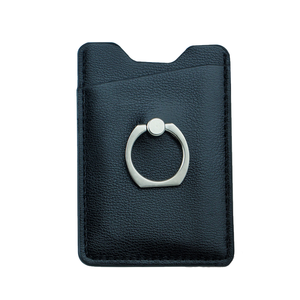
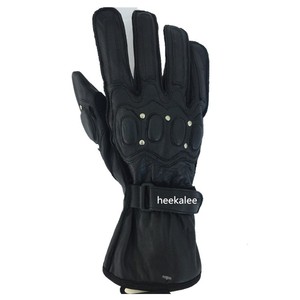
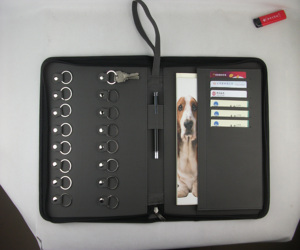
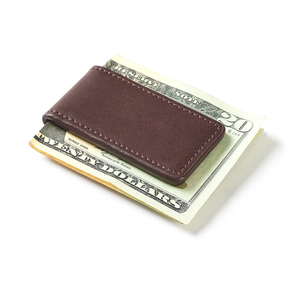
In modern contract fashion manufacturing, technical compliance is no longer a downstream verification step; it is the fundamental architecture that dictates commercial viability. International luxury conglomerates and direct-to-consumer lifestyle brands operating across the European Union, the United Kingdom, and North America require manufacturing partners that integrate product engineering, ethical governance, and strict chemical safety directly into the bulk fabrication process.
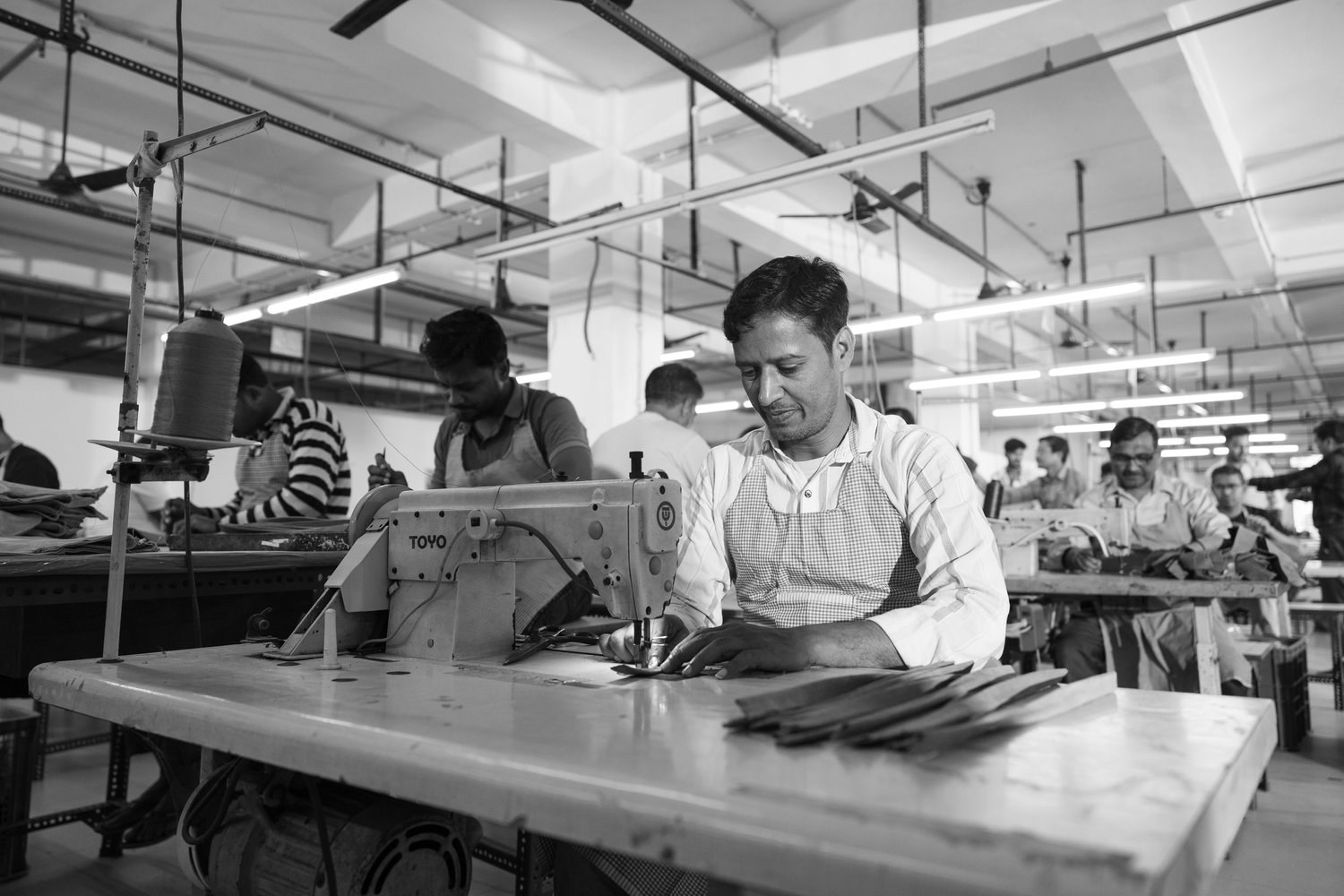
Operating from Kolkata, India—one of the world's most historic leather tanning and artisanal fabrication clusters—our facilities at Raja & Mitsu Fashions (operating internationally through Duncanbags) represent second-generation, female-founded industrial leadership. Established in 1996 and recognized by the Government of India as an accredited Star Export House, our manufacturing ecosystem combines ancestral hand-skiving precision with automated, digitized assembly lines yielding over 60,000 finished units each month.
While consumer fashion handbags generally fall under the EU General Product Safety Regulation (GPSR) and European REACH frameworks, technical protective leather gear (such as riding gloves and reinforced work utility accessories) mandates formal CE Type Examination Certification under the PPE Regulation (EU) 2016/425 (e.g., standard EN 13594 for moto protective wear). For lifestyle leather handbags, totes, clutches, and briefcases, the "CE Paradigm" in international sourcing represents complete compliance with European harmonized norms governing chemical non-toxicity, consumer safety, and structural integrity:
A resilient leather handbag requires engineered weight distribution and stress mitigation. At our facilities, CAD software optimizes structural yield, minimizing leather waste while maintaining hide grain alignment across mirrored panels:
How progressive fashion houses, enterprise sourcing managers, and high-volume retail buyers are navigating regulatory shifts, material traceability, and consumer sustainability demands over the 2025–2030 cycle.
The European Union Deforestation Regulation (EUDR) enforces strict provenance documentation. Enterprise procurement requires raw hide batch tracing back to specific livestock ranches with verifiable GPS coordinates to prevent deforestation-linked materials from entering high-tier retail markets.
Regulatory ImperativeGlobal demand is accelerating for "Wet-White" synthetic tanning and vegetable-synthesized extracts derived from chestnut, quebracho, and mimosa. These circular tanning chemistry profiles eliminate heavy metals while maintaining luxury tensile softness, drape, and long-term grain resiliency.
Material InnovationBrands are preparing for mandatory digital tracking sewn directly into handbag linings via encrypted RFID or NFC micro-wafers. DPP mandates require complete transparency on carbon footprint, tannery wastewater recovery metrics, and end-of-life disassembly guidance.
Data TransparencyOur audited manufacturing protocol ensures defect mitigation at each milestone, adhering to Acceptable Quality Limit (AQL) 1.5/2.5 international standards for commercial export.
Digitizing 2D pattern files into CAD systems, establishing tolerance zones, calculating yield ratios, and assessing hardware tensile strain thresholds.
Crafting master physical counterparts within 7–10 days, testing ergonomic drape, verifying handle drops, and perfecting internal pocket depth.
Auditing leather lots from Leather Working Group certified partners, calibrating thickness via digital micrometers, and verifying dye uniformity.
Deploying CNC cutting systems, edge-skiving machines, high-precision guide sewing, and automated thermostatic edge-lacquering booths.
Full optical, mechanical, and moisture audits; mold-prevention micro-pack insertion; barcode bagging; and container palletization for port dispatch.
Headquartered in Kolkata (Calcutta), West Bengal, India, our operation combines generational handcraftsmanship with the strict accountability expected by tier-one retailers in Frankfurt, London, New York, and Tokyo.
Critical operational insights addressing certification requirements, custom mold developments, chemical testing protocols, and volume production timelines.
Under EU legislation, standard lifestyle handbags are non-PPE goods and do not carry a mandatory physical "CE" stamp on the leather. Instead, they must meet the European General Product Safety Regulation (GPSR) and complete REACH Annex XVII chemical testing. However, technical protective goods—such as motorcyclist leather gloves and impact-resistant gear—require formal CE marking under standard EN 13594. We supply certified compliance dossiers for both categories.
Every leather lot is subjected to third-party testing (SGS, TUV, or Intertek) covering Chromium VI formation (ISO 17075-1), banned Azo colorants (EN ISO 14362-1), Dimethyl Fumarate (DMFu), extractable heavy metals, Formaldehyde content, and total Polycyclic Aromatic Hydrocarbons (PAHs). Test certificates are delivered alongside the bill of lading.
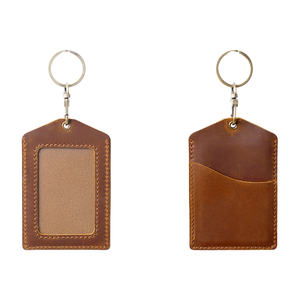
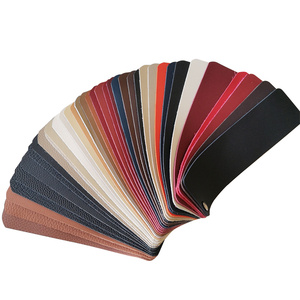
Our standard production runs begin at 200–300 units per style/colorway for women's and men's handbags, duffels, and briefcases. For small leather goods (wallets, key organizers, cardholders), our typical baseline is 300–500 pieces. For custom drum-dyed bespoke leather colors matching exact Pantone specifications, tanneries require a minimum hide commitment of approximately 1,500 square feet.
Initial physical counter-samples from approved tech packs require 7 to 12 working days. Once the golden sample is approved and bulk deposit is confirmed, mass manufacturing takes 45 to 60 days depending on custom hardware tooling, with expedited air shipping (3–5 days) or ocean container consolidation (24–32 days to European/American ports).
Yes. We engineer bespoke hardware molds for solid brass, zinc alloy (zamak), and stainless steel fittings. Capabilities include custom zip pullers, magnetic clasps, turn-locks, and logo badges finished in brushed palladium, antique brass, gunmetal, or 24K gold PVD plating tested to resist 48-hour neutral salt-spray oxidation (ASTM B117).
Leather is inherently hygroscopic. We manage container humidity by controlling factory climate below 60% RH, inspecting all leather before packing to ensure moisture content below 14%, inserting verified non-toxic Micro-Pak anti-microbial stickers in every polybag, and lining container walls with calcium chloride desiccant blankets to eliminate container rain during maritime crossing.
Our Kolkata facility operates under rigorous SMETA (Sedex Members Ethical Trade Audit) 4-Pillar oversight covering Labor Standards, Health & Safety, Environmental Assessment, and Business Ethics. Sourcing directors are welcome to review our Sedex audit summaries or deploy independent third-party inspectors prior to container sealing.
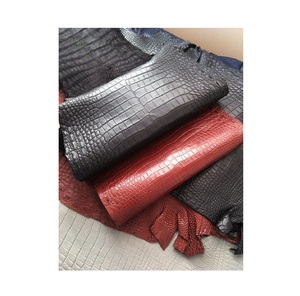
We maintain ready supplies of drum-dyed full-grain cowhides, buffalo hide with natural pebble grains, supple vegetable-tanned bovine leathers, goat nappa, Saffiano cross-hatch embossed hides, and oil-wax pull-up finishes. All skins are responsibly obtained as by-products of the global food industry.
Whether you require full-scale sample prototyping, tech-pack evaluation, or scalable export supply up to 60,000 units monthly, our engineering and merchandising teams are ready to assist. Contact our Kolkata export directors directly to discuss specs, unit economics, and scheduled factory visits.