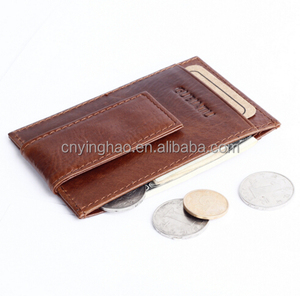
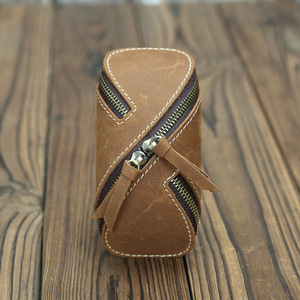
Explore sustainable small leather goods, technical travel gear, and refined accessories crafted from bio-based PU, vegetable-tanned cowhides, and recycled polymers with strict environmental oversight.
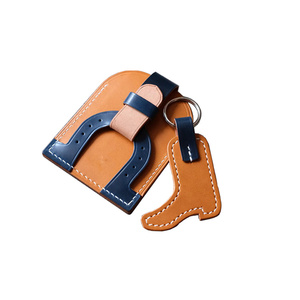
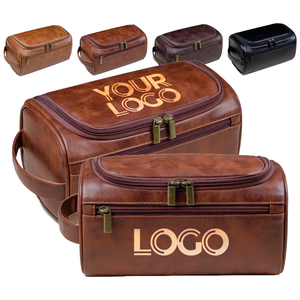
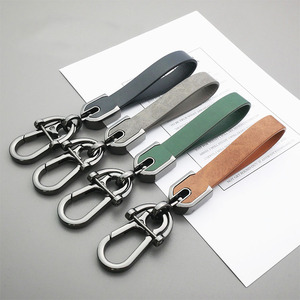
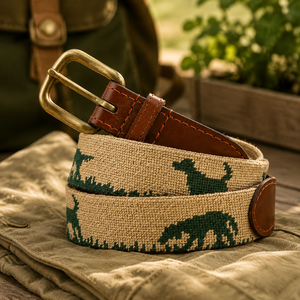
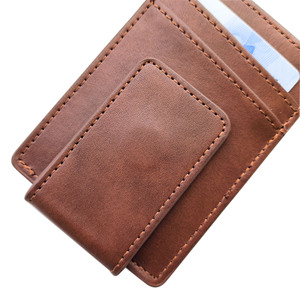
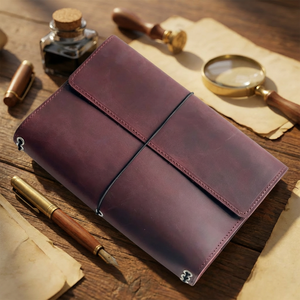
The global retail leather sector is undergoing a profound structural metamorphosis. As regulatory frameworks such as the EU Corporate Sustainability Due Diligence Directive (CSDDD) and the EU Deforestation Regulation (EUDR) establish binding compliance baselines, international brands can no longer rely on unverified claims. Sourcing eco-friendly leather demands full traceability down to the slaughterhouse or farm, low-chemical beamhouse processing, clean effluent recycling, and verifiable carbon metrics.
As one of the world's primary manufacturing hubs, top-tier Chinese leather producers have heavily transformed their infrastructure. Traditional chrome tanning—historically burdened by heavy water consumption and hazardous sludge—has been systematically augmented by Metal-Free (Wet White) tanning, Zeolite-based mineral tanning, and closed-loop Vegetable Tanning utilizing non-food chestnut, mimosa, and quebracho extracts. Concurrently, the synthesis of artificial alternatives has transcended petroleum-derived PVC, migrating rapidly to Water-Based Polyurethane (DMFa-Free), Bio-Based PU derived from industrial corn and sugarcane, and Recycled Polyethylene Terephthalate (rPET) composite backings.
Thermal stability without the risk of oxidation into carcinogenic hexavalent chromium under extreme maritime shipping heat or UV exposure.
Membrane bioreactor (MBR) and reverse osmosis installations achieve over 75% wastewater recycling rates across primary tanneries.
Traceable batch documentation conforming to HIGG Index MSI and ISO 14040 Life Cycle Assessment (LCA) environmental disclosures.
Modern international buyers require manufacturing partners who operate not merely as transactional assembly lines, but as technical consultants capable of refining patterns to reduce hide scrap rates below 8%, matching edge inks with solvent-free aqueous coatings, and engineering high-tensile stitches with recycled PET threads.
Strategic analysis of consumer sentiment shifts, bio-synthetics engineering, and regulatory oversight reshaping international leather supply contracts.
Global retailers are embedding NFC chips and cryptographic QR codes behind lining fabrics, granting end-consumers visibility into hide origin, tannery certifications, water footprint, and repair instructions.
Transition from crude oil polyurethane to 40%-65% USDA-certified bio-content synthesized from industrial starch, agricultural waste, and mushroom mycelium matrixes without volatile dimethylformamide solvents.
Moving away from permanently glued multi-composite assemblies. Future luxury accessories prioritize biodegradable stitching, screw-detachable metal hardware, and easy recycling of internal stiffeners.
Combining second-generation craftsmanship traditions with high-output industrial disciplines to support boutique designers and multinational retail chains alike.
Rooted in three decades of leatherworking expertise, maintaining seasoned master pattern-makers, artisan leather cutters, and disciplined bulk consistency.
Every batch of genuine leather is secured exclusively from tanneries with audited environmental compliance, zero banned dyes, and verified wastewater purification.
Full Sedex Members Ethical Trade Audit compliance across working hours, health & safety protocols, fair living wages, and non-discriminatory labor policies.
Dedicated assembly infrastructure facilitating low-barrier prototyping alongside massive enterprise capacity across wallets, briefcases, belts, and vanity cases.
Direct technical answers addressing the critical pain points sourcing directors and brand owners face when procuring eco-friendly leather products.
We define eco-friendly leather through two distinct pipelines: Genuine hides are derived 100% as meat industry by-products tanned using Chromium-Free or Vegetable extract processes in LWG-certified facilities with low water consumption. Synthetic options rely strictly on DMFa-free water-based PU or bio-polymers utilizing non-toxic, aqueous pigments compliant with REACH and California Proposition 65.
Vegetable and eco-tanned leathers are sensitive to humidity. We use vacuum-desiccant packs, silica dry-strips, breathable non-woven protective dust-bags, and strict container inspection protocols to maintain inner humidity below 55% across intercontinental transit routes.
For custom OEM designs using stock eco-friendly leathers, our standard MOQ begins at 300 to 500 units per colorway. Fully custom pantone-dyed hides require an MOQ of 1,000 units. Physical prototype development takes 7 to 10 working days following tech pack confirmation.
Yes. We deliver comprehensive technical documentation packages per batch, including SGS/Intertek laboratory certifications for Azo dyes, formaldehyde, PFOS/PFOA, heavy metal migration, and LWG certification batch codes for seamless cross-border regulatory compliance.
Initiate production reviews, material swatch dispatches, or tech pack feasibilities with our senior engineering specialists today.
Inquire Now