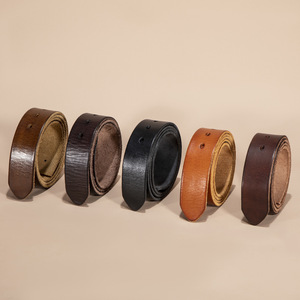

Explore our export-ready small leather goods line, engineered for direct-to-consumer luxury brands, department retailers, and high-tier promotional collections.
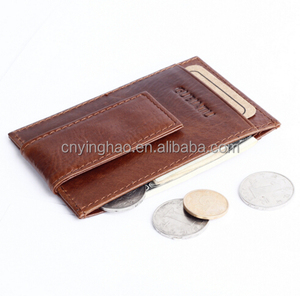
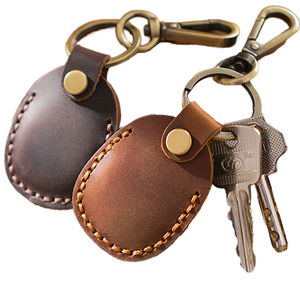
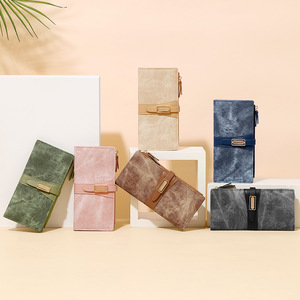

Scalable production across small leather goods, wallets, bags, and luxury accessories.
Founded in 1996, operating as a 2nd-generation, female-founded manufacturing powerhouse.
Traceable raw hides with closed-loop effluent treatment and zero hazardous chemical discharge.
Sedex Members Ethical Trade Audit verified factory floor compliance and fair wages.
A technical guide for global procurement heads, fashion brand founders, and merchandising directors navigating supply chain compliance, margin resilience, and material innovation.
With strict international import policies such as the EU Deforestation Regulation (EUDR), tier-1 fashion buyers can no longer source from unverified raw hide brokers. Modern procurement requires fully traceable supply lines down to farm and slaughterhouse levels. Working alongside Leather Working Group (LWG) certified tanneries ensures life-cycle tracking, minimal chemical toxicity (REACH compliance), and reduced water utilization during beamhouse operations.
The evolution of contactless payment cards has pushed RFID-blocking fabric from an optional feature to an absolute retail requirement. Sourcing teams are integrating ultra-thin, frequency-attenuating copper-nickel barrier cloths behind wallet card slots. Future manufacturing lines are combining this shielding with hidden internal pockets tailored for AirTags and IoT tracking units, balancing physical anti-theft mechanics with sleek silhouette aesthetics.
Bulky bi-folds are declining across Western and Asian consumer markets. Modern consumers demand micro-footprints: cardholders under 6mm thickness capable of accommodating 6-8 cards alongside folded currency. Achieving this requires high-precision skiving machines capable of splitting top-grain cowhide down to 0.4mm–0.6mm thickness without rupturing the structural corium grain, finished with hand-painted Italian edge dyes.
Every batch of genuine leather wallets leaving our facility undergoes rigorous physical stress testing to satisfy strict commercial endurance requirements.
| Engineering Parameter | Standard Method | Target Acceptance Threshold | Procurement Impact |
|---|---|---|---|
| Bally Flexometer Resistance | ISO 5402-1 / ASTM D6182 | > 50,000 Flex Cycles (No cracking) | Prevents corner fraying & fold fatigue in bi-fold and tri-fold crease zones. |
| Veslic Color Fastness (Dry/Wet) | ISO 11640 | Dry: 500 rubs (Grade 4.5) | Wet: 100 rubs (Grade 4) | Prevents pigment transfer onto white trouser pockets and luxury handbag linings. |
| Edge Dye Adhesion & Elasticity | Thermal Shock (-15°C to +50°C) | No peeling, blistering, or tackiness | Guarantees multi-layered edge coatings survive tropical humidity and winter freezes. |
| Tensile Seam Strength | ISO 13935-2 | > 120 N seam rupture barrier | Prevents pocket-slot blowouts under heavy multi-card insertion pressure. |
| RFID Attenuation Rating | MIL-STD-285 / 13.56 MHz | > 40 dB to 60 dB Shielding Efficacy | Blocks unauthorized electromagnetic skimming of payment card data. |
Recognised by the Government of India, Raja & Mitsu Fashions integrates centuries-old regional artisan leatherwork with tier-1 export discipline.
Official status as a recognized leather goods exporter provides simplified customs clearances, duty-drawback efficiency, and uninterrupted maritime forwarding to North America, Europe, and Asia-Pacific ports.
Second-generation leadership blending fine hand-finishing with industrial lean manufacturing. Diverse management ensures thorough product sensitivity across men’s small leather goods and women's fashion accessories.
From physical tech packs to master patterns in under 7 business days. Dedicated sample room with automated computer-controlled cutting tables and hot-foil/blind deboss tooling setups.
Third-party inspected working environments safeguarding human rights, strict fair-wage remuneration, complete anti-child-labor protocols, and sustainable environmental chemical management.
As consumer habits shift toward digital wallets and minimalist carry, small leather goods manufacturers must adapt. Here is how our production lines stay ahead.
Consumer preferences are moving toward mechanical pop-up card mechanisms paired with wrap-around vegetable-tanned cowhide. We partner with precision hardware factories to integrate custom CNC-milled anodized aluminum housings within hand-stitched leather sleeves, combining mechanical utility with genuine leather patinas.
Brands are seeking alternatives to heavy chrome tanning. We offer wet-white synthetic and plant-tanned alternatives derived from olive-leaf extract and mimosa bark. These tanning systems produce zero heavy metal waste, meet sensitive skin hypoallergenic requirements, and develop rich organic colors as the leather ages.
European market regulations are introducing Digital Product Passport requirements. Our lines are capable of incorporating micro-QR woven tags and passive RFID micro-transponders behind lining layers, allowing end customers to scan the finished wallet and review its full material provenance and environmental footprint.
Direct technical answers regarding Minimum Order Quantities (MOQs), tech-pack handoffs, sampling lead times, and global shipping terms.
Connect with our technical design and sourcing managers to review leather swatches, tech packs, and factory volume pricing.
Get Catalog