
Engineered for international fashion houses, direct-to-consumer luxury disruptors, and corporate retail brands. Sourced from audited tanneries with meticulous industrial stitch execution.
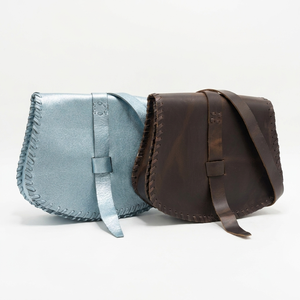
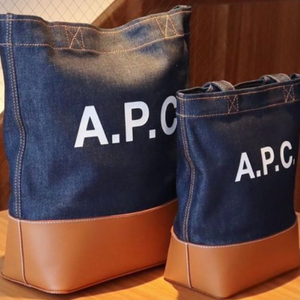
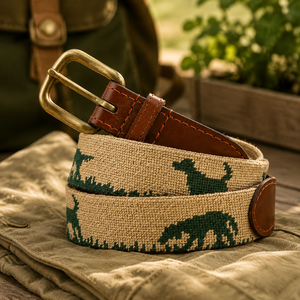
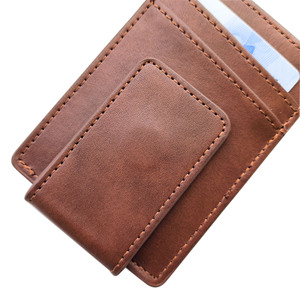
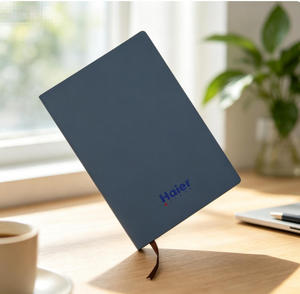
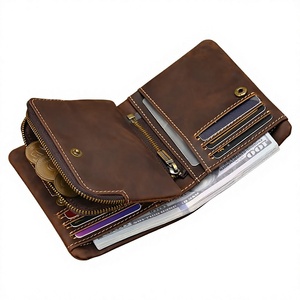
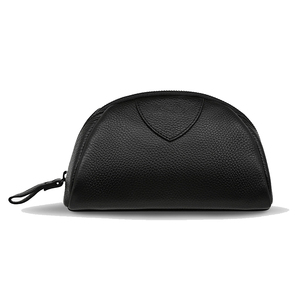
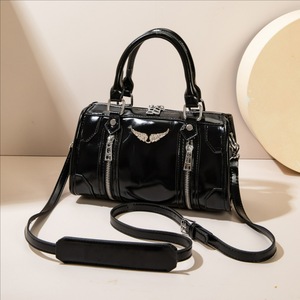
Recognized by the Government of India, Raja & Mitsu Fashions has delivered uncompromising contract manufacturing since 1996. Female-founded and family-led across two generations, our facility harmonizes heritage handcrafting with auditable tier-1 accountability.
Registered and acknowledged by export authorities in Kolkata, India, our logistics infrastructure complies with rigorous international trade regulations. We coordinate frictionless customs clearance, unified documentation, preferential tariff certifications (such as GSP and FTA protocols), and dependable freight lanes into North America, Europe, and the Asia-Pacific region.
Traceability is non-negotiable for modern ESG mandates. Our leather skins originate exclusively from Leather Working Group (LWG) certified tanneries. This guarantees verified effluent management, chromium containment, diminished water consumption metrics, and systematic animal welfare adherence throughout upstream supply channels.
As a second-generation, female-founded manufacturer, we combine decades of Kolkata leather craftsmanship with modern industrial governance. Every collection benefits from artisanal hand-skiving, precision creasing, and hand-bevel edge finishing, balanced by strict digital pattern cutting and AQL 1.5/2.5 quality control tolerances.
Sourcing directors and global category leads face rapid regulatory evolution, volatile tariffs, and shifting consumer expectations. Here is how advanced contract supply models are pivoting.
Global supply chains are actively de-risking single-country dependencies. Kolkata's mature leather ecosystem offers established freight connections, indigenous raw materials, and skilled leathercraft communities. Multinational brands partner with Indian manufacturers to achieve lower duty rates, predictable labor structures, and reduced geopolitical friction.
With the European Union tightening supply chain due diligence under the Corporate Sustainability Due Diligence Directive (CSDDD) and upcoming DPP mandates, procurement teams require verifiable raw-material mapping. Our factory maintains batch-level documentation linking hide lots to specific tannery run certificates, ensuring smooth compliance reviews.
The traditional method of booking 10,000 units on 6-month lead times is being replaced by agile procurement pipelines: initiating with targeted MOQs (200–500 units per colorway) backed by pre-reserved leather reserves. This model reduces dead inventory and optimizes operating cash flow while supporting fast reorders for top-performing SKUs.
| Production Dimension | Traditional Wholesale Importer | Raja & Mitsu OEM/ODM Standard | Procurement Benefit |
|---|---|---|---|
| Raw Material Origin | Mixed unverified markets; variable tensile yields | 100% LWG-Certified Gold/Silver Tanneries | ESG & REACH Verified |
| Sampling & CAD Prototyping | 4 to 8 weeks with basic paper templates | 7 to 10 days using 2D/3D digital pattern software | Fast Go-To-Market |
| Hardware Finishing | Generic zinc wash; tarnishes within 3–6 months | Electroplated brass / PVD coating (salt-spray tested) | Extended Lifetime Value |
| Ethical Compliance | Infrequent internal audits or self-reporting | Independent SMETA Sedex Pillar-4 Third-Party Audits | Brand Protection |
| Edge Painting & Skiving | Single-pass roller coats prone to cracking | Triple-pass manual edge paint with intermediate curing | Luxury Hand-Feel |
Design and material choices directly affect production viability, product lifespan, and warranty claims. Here are the core technical innovations shaping our current product lines.
Demand for chrome-free, aldehyde-free, and vegetable-tanned leathers continues to rise. We utilize natural mimosa, chestnut, and tara tannins to craft hides with distinctive pull-up patinas, soft hand-feel, and biodegradable characteristics that meet European REACH chemical safety requirements.
Modern small leather goods (SLGs) and travel organizers require reliable electronic data protection. We integrate wafer-thin, flexible copper-nickel alloy fabrics beneath genuine full-grain leather exteriors, blocking 13.56 MHz RFID and NFC frequencies without adding bulk or stiffness.
Hardware corrosion is a frequent cause of end-customer returns. Our premium hardware lines employ Physical Vapor Deposition (PVD) finishes alongside solid forged brass, tested via 72-hour neutral salt-spray simulations (ASTM B117) to prevent discoloration, pitting, and friction wear.
Modern commuters expect lightweight carrying comfort without sacrificing exterior durability. We build structured bags using hybrid architectures: pairing full-grain cowhide shells with high-tenacity recycled microfibers, bonded nylon cordura liners, and custom memory-foam shoulder straps.
A structured, accountable path designed for brand managers and procurement specialists who require clear milestones, repeatable quality, and reliable export schedules.
We assess your CAD schematics, dimensions, target margins, and tolerance limits to establish production viability.
Precision pattern creation, hardware sourcing, and pilot sample creation delivered in 7 to 10 days for design approval.
Raw hides are inspected and selected for temper, thickness, pull-up grain consistency, and color accuracy.
High-speed skiving, multi-layer edge painting, precision stitching, and line assembly within our SMETA-audited facility.
Tensile stress checks, zipper lifecycle verification, drop tests, moisture-controlled boxing, and worldwide customs clearance.
Key details on minimum order quantities, compliance protocols, leather grading, and shipping logistics to help you plan your next production run.
Our standard production baseline begins at 200 to 300 pieces per style/colorway for larger bags (such as totes, briefcases, and satchels), and 300 to 500 pieces for small leather goods (wallets, cardholders, and passport covers). We also offer flexible sampling and phased minimums for emerging collections backed by planned annual volume agreements.
All leather inputs are tested to meet European Union REACH (EC 1907/2006) standards, California Proposition 65 requirements, and CPSIA limits. Our certified tanneries submit lab verifications confirming the absence of Chromium VI, Azo dyes, formaldehydes, and banned phthalates, supporting hassle-free retail distribution in target markets.
Full-grain leather preserves the entire epidermis, keeping natural hair follicles, scars, and breathability intact; it develops a natural patina over time and offers maximum tensile durability. Top-grain has the topmost layer lightly sanded or buffed to remove minor surface marks, providing uniform texture and increased stain resistance. Split leather is derived from lower fibrous hide layers, ideal for suede or coated backing where exterior surface wear is minimal.
Initial prototype pattern cutting and sample production typically takes 7 to 10 working days following tech pack sign-off and material selection. Bulk manufacturing runs require 35 to 45 days after pre-production sample (PPS) approval, depending on custom hardware casting, tanning timelines, and order volume.
Yes. We offer complete custom branding services, including zinc die-casting for branded zipper pulls, laser-engraved eyelets, custom luggage tags, interior woven or foil-stamped labels, and precision hot-stamping or blind debossing dies tailored to your specific vector artwork.
Our factory follows strict AQL 1.5 Major / 2.5 Minor inspection protocols. Quality control starts with incoming hide grading (checking for yield, scars, and thickness tolerances), continues through in-line assembly monitoring (verifying stitches per inch, seam alignment, and adhesive curing), and finishes with comprehensive pack-out inspections, seam-pull tests, and zipper cycle verifications.