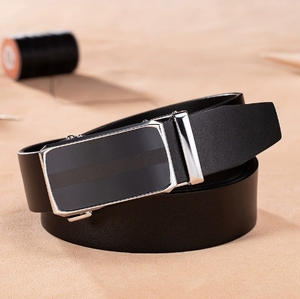

Engineered for high-durability standards, corporate merchandising, and premium retail distribution with complete OEM personalization.
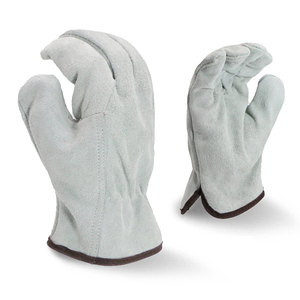
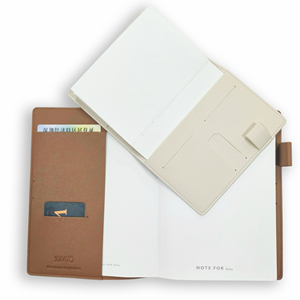

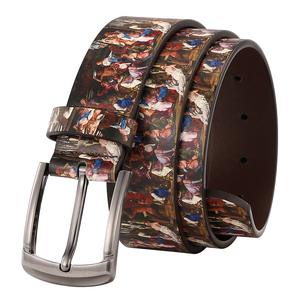

A rigorous review of structural production frameworks, chemical compliance mandates, and supply-chain diversification for global procurement teams.
Global retail brands are shifting away from intermediate leather brokers. Direct partnership with tanneries audited by the Leather Working Group (LWG) eliminates chemical volatility, ensuring that chromium-free wet white and vegetable-tanned hides strictly adhere to REACH SVHC, Proposition 65, and zero-deforestation protocols.
Modern OEM engineering relies on automated CNC leather hide scanners that maximize nesting efficiency while mapping organic hide grain inconsistencies. Digitized master pattern generation accelerates the sample evaluation timeline from months to just 7 to 10 working days, dramatically lowering pilot run tooling costs.
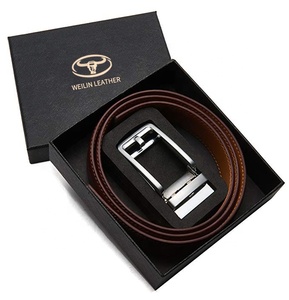
From edge creasing, burnishing, to multi-layer polymer edge coat application, mechanical edge stabilization dictates luxury lifespan. High-stress anchor joints across totes, computer bags, and ratchet belts undergo load simulations exceeding 250N tensile pull tolerance before pilot deployment.
Anticipating structural regulatory barriers, bio-based alternatives, and next-generation logistics transformation.
Mandatory digital provenance requires end-to-end leather batch visibility. Every manufactured batch will feature cryptographic QR integration tracking ranch origins, tannery environmental metrics, and recyclability scores.
Zero-effluent wastewater regulations are shifting industrial consumption toward closed-loop zeolite and olive-leaf extract processing, maintaining supple full-grain hand-feel without synthetic formaldehyde or heavy metal residuals.
While premium cowhide remains the standard for durability, corporate gifting lines and hybrid accessories increasingly demand plant-based polymer coatings, solvent-free DMF-free PU substrates, and GRS-certified recycled linings.
To insulate brand margins from geopolitical tariff volatility, procurement executives balance South Asian core production centers in Kolkata with regional bonded consolidation depots for rapid customs fulfillment.
Built upon three decades of Government of India recognized export mastery and modern production engineering.
Operating with official accreditation as an established leather goods exporter, providing frictionless customs documentation, duty-drawback regulatory compliance, and seamless multi-modal maritime logistics to North America, Europe, and Asia-Pacific.
Our workshop follows third-party audited 4-Pillar Sedex Members Ethical Trade Audits (SMETA). Brands benefit from documented human capital governance, equitable workplace conditions, fire-safety compliance, and transparent environmental stewardship.
Stationed in one of the world's most historic hubs for artisan leather craftsmanship. We fuse second-generation family leather mastery with computer-controlled German skiving machinery, laser-cutting stations, and automated box-x pattern stitchers.
Essential guidance addressing lead times, quality assurance checkpoints, material grades, and minimum batch orders.
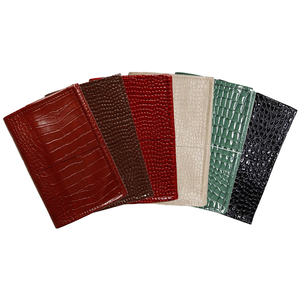
Our standard production runs typically start at 300 to 500 units per style for custom leather accessories, belts, and small leather goods, with flexible color assortment. Handbags and technical luggage lines can be optimized based on leather hide yield and hardware casting requirements.
Brand developers supply 2D drawings, 3D CAD models, or physical reference samples alongside dimensional tech packs. Our in-house sampling room crafts paper patterns, refines edge radiuses, builds custom debossing dies, and delivers physical pre-production samples within 7–14 days.
We source heavy-gauge solid brass, zinc alloy, and surgical stainless steel hardware. Plating choices include PVD vacuum deposition, antique brush brass, gunmetal, and palladium. All components undergo 24 to 72-hour salt-spray fog testing to prevent premature corrosion and tarnishing in humid retail regions.
Our quality management system follows strict AQL 2.5 / 4.0 inspection regimes. Checkpoints include: (1) Raw hide thickness skiving calibration, (2) Interfacing bonding shear strength, (3) Seam and zipper cycle testing, and (4) Finished unit color fastness and packaging moisture control using dynamic silica dessicant packaging.