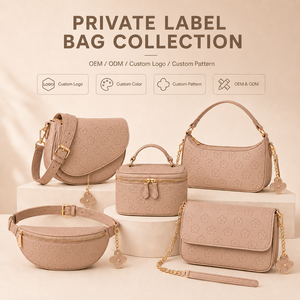
Custom-fabricated across our Government of India recognised, SMETA-audited, and LWG-certified facilities. From vegetable-tanned full-grain bags to micro-stitched small leather goods, every piece matches strict global export specifications.

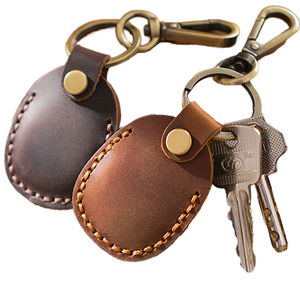
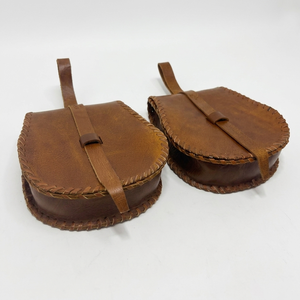
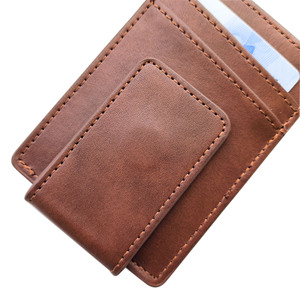
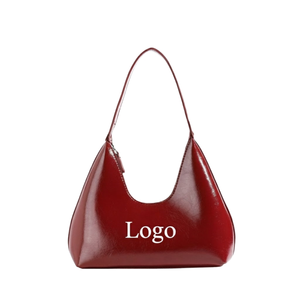
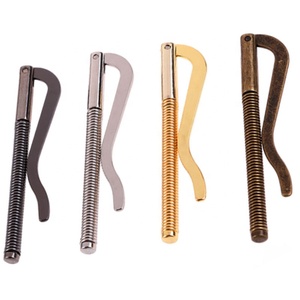
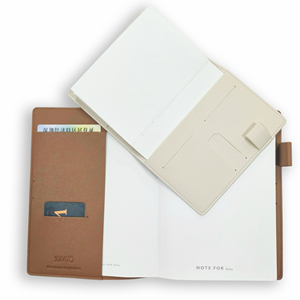
Nearly 30 years of continuous OEM/ODM export leadership from Kolkata, India.
Scalable industrial line producing luxury bags, small leather goods, and belts.
Audited environmental compliance, Zero Liquid Discharge (ZLD) leather traceability.
Sedex certified labor welfare, safety, environmental, and business ethics governance.
A rigorous comparative framework for fashion procurement officers, sourcing directors, and luxury brand managers navigating ESG accountability, supply chain agility, and technical execution.
The global leather goods market is experiencing a profound structural transformation. Brands no longer assess contract manufacturers solely on cost-per-unit or aesthetic prototyping speed. Under mounting regulatory mandates—including the European Union's Corporate Sustainability Due Diligence Directive (CSDDD) and forthcoming Digital Product Passport (DPP) requirements—supply chain vetting requires verified physical chain-of-custody, chemical safety verification under REACH Annex XVII, and rigorous social compliance protocols.
In this comprehensive whitepaper, we analyze the competitive landscape of the Top 10 Sustainable Leather Goods Manufacturers & Factories worldwide. We examine how premier facilities balance industrial output with artisanal hand-finishing, transparent bovine and ovine hide provenance, chemical abatement, and carbon lifecycle optimization.
| Manufacturer / Cluster | Region & Hub | Core Competencies | Environmental Audit | Social Compliance | Monthly Capacity |
|---|---|---|---|---|---|
| Raja & Mitsu Fashions | Kolkata, India | Luxury Handbags, SLGs, Belts, Full OEM/ODM | LWG Gold/Silver Tanneries | SMETA 4-Pillar Audited | 60,000 units |
| Tuscany Artisan Cluster | Scandicci, Italy | Haute Horlogerie Straps, Structured Minaudières | ICEA / Consorzio Vera Pelle | SA8000 Certified | 8,000–15,000 units |
| Andalusia Leather Guild | Ubrique, Spain | High-End Edge Paint Precision, Small Wallets | LWG Audited Facilities | ISO 26000 Benchmarked | 12,000–20,000 units |
| Porto Industrial Leatherworks | São João da Madeira, Portugal | Footwear-Bag Hybrids, Vegetable-Tanned Totes | LWG Certified | Sedex Registered | 25,000 units |
| Leon Leather Manufacturing Park | Guanajuato, Mexico | North American Nearshore Duffels, Western Belts | LWG Certified Tanneries | WRAP Audited | 45,000 units |
| Dongguan Precision Goods | Guangdong, China | High-Volume Technical Bags & RFID Accessories | ISO 14001 / LWG Members | BSCI / SMETA | 120,000+ units |
| Ho Chi Minh Export Atelier | Binh Duong, Vietnam | Contract Backpacks, Travel Luggage Leather Trim | LWG Sourced Leathers | SLCP Verified | 75,000 units |
| Izmir Finished Goods Collective | Aegean Region, Turkey | Lambskin Nappa Jackets, Soft Garment Bags | Turkish Tannery Standards / LWG | Sedex Audited | 30,000 units |
| Bogotá Ethical Leatherworks | Cundinamarca, Colombia | Chrome-Free Full Grain Briefcases, Tool Bags | Regional Eco-Certification | Fair Trade Federation | 18,000 units |
| Bangkok Contemporary Handcraft | Samut Prakan, Thailand | Exotic Embossed Cowhide, Architectural Crossbody | Green Industry Mark / LWG | ISO 9001 / Sedex | 22,000 units |
India represents one of the world's most resilient and resource-integrated leather ecosystems. Unlike European production clusters that rely heavily on imported rawhides from South America or East Asia, Kolkata possesses an indigenous, self-contained raw material base coupled with world-class tannery infrastructure. Manufacturers like Raja & Mitsu Fashions leverage this geographic synergy to offer superior cost predictability, certified traceability from hide to carton, and ethical compliance that stands up to the most demanding third-party supply chain audits.
How forward-thinking manufacturing facilities are re-engineering classical artisan techniques through closed-loop chemistry, biophilic tanning agents, and digital lifecycle tracking.
Traditional chrome-tanning (Chrome III) is increasingly superseded by synthetic zeolites, modified glutardialdehydes, and plant-derived polyphenols (mimosa, chestnut, and tara). This yields biodegradable wet-white hides with exceptionally soft drape, high tensile resistance, and zero hazardous trivalent or hexavalent chrome runoff.
Modern LWG Gold rated tanneries now utilize reverse osmosis, multi-stage evaporation, and biological membrane filtration. Factories recover up to 98% of processing water, recycling it back into beamhouse and tanning operations while crystallizing dissolved salts for non-toxic industrial byproduct applications.
In anticipation of 2026–2030 EU eco-design mandates, sustainable goods now integrate concealed NFC chips and laser-etched QR identifiers. Brands and consumers can verify tannery audit scores, leather origin, chemical safety batch numbers, and repair guidelines with a single smartphone scan.
Edge painting historically depended on solvent-heavy acrylic compounds that released volatile organic compounds (VOCs). Modern OEM lines utilize bio-polyurethane, water-dispersed edge polymers cured via infrared tunnels, delivering crack-free flex durability at -20°C without hazardous atmospheric emissions.
Sustainability encompasses every rivet, D-ring, swivel snap, and zipper pull. High-performance factories employ recycled brass and zinc-aluminum-magnesium-copper (Zamak) alloys finished with electro-deposition lacquering that passes 96-hour neutral salt-spray corrosion tests without nickel or lead leaching.
Interior linings are shifting rapidly from virgin polyester twill to GOTS-certified organic cotton, certified post-consumer recycled rPET, and high-tensile linen blends. In vegan product categories, manufacturers utilize second-generation USDA bio-preferred coatings synthesized from agricultural waste.
How procurement leaders balance margin integrity, inventory turn rates, and zero-defect quality across volatile international trade corridors.
Procuring luxury and contemporary leather goods over the next five years requires shifting from transactional purchasing to strategic manufacturing alliances. With freight volatility and tariff reclassifications challenging standard operational models, seasoned sourcing teams are executing four critical initiatives:
1. Dual-Track Prototyping and Fast-Turn Tech Pack Auditing: Conventional sampling loops historically consumed 6 to 10 weeks. By partnering with manufacturers equipped with in-house CAD pattern digitizing, laser cutting tables, and dedicated sample ateliers, brands reduce revision cycles to under 14 days. Early manufacturability reviews identify edge-creasing bottlenecks, stitch-density mismatches, and material yield loss prior to steel rule die fabrication.
2. Tier-1 and Tier-2 Traceability Audits: In the post-UFLPA and CSDDD regulatory environment, declaring "genuine leather" is insufficient. Brands must possess auditable documentation proving that livestock was raised in deforestation-free zones, slaughtered under certified animal welfare protocols, and tanned in LWG-audited environments. Working directly with integrated Indian manufacturers that maintain contracted tannery supply agreements provides unbroken traceability dossiers.
3. Agility-Driven Tiered MOQs: High minimum order quantities (MOQs) create deadstock liabilities that undermine brand sustainability narratives. Progressive factories now offer modular production scheduling: higher aggregate seasonal volume commitments spread over staggered monthly colorway rollouts (e.g., 300 to 500 units per SKU), mitigating overproduction while preserving tiered wholesale economies of scale.
4. Physical Durability as the Core ESG Pillar: The ultimate sustainable product is one that endures for decades rather than seasons. Leading procurement executives specify seam shear thresholds (ISO 13935-2), strap pull-off tensile limits exceeding 250N, and Martindale abrasion resistance above 25,000 cycles. Longevity is the definitive hedge against planned obsolescence.
Government of India recognised leather goods manufacturer and exporter since 1996, delivering verified craft, institutional compliance, and scalable capacity.
Established in 1996, Raja & Mitsu Fashions stands as a pioneer in an historically male-dominated industry. Now in its second generation of family management, our leadership champions gender equity, artisan dignity, and continuous professional training across our Kolkata production workforce.
Our workshop adheres unconditionally to Sedex Members Ethical Trade Audit standards. We maintain strict compliance across fair living wages, workplace ergonomics, industrial air filtration, fire suppression networks, and transparent corporate governance—guaranteeing our international brand clients zero reputational vulnerability.
With structured manufacturing floors dedicated to women's handbags, men's luggage, briefcases, small leather accessories, and precision belts, our factory effortlessly absorbs volume surges without diluting hand-finished craftsmanship or compromising delivery schedules.
Every square decimeter of leather utilized in our export collections is sourced through audited Leather Working Group tanneries. We guarantee chemical documentation compliant with EU REACH, California Prop 65, and zero hazardous discharge norms.
We operate as an agile engineering extension of your internal creative department. From raw tech pack interpretation, hardware 3D-prototyping, custom debossing, to bespoke retail packaging, our sampling ateliers deliver turnkey luxury execution ready for international retail.
Formally recognised by the Government of India as an authorized manufacturer and exporter, we maintain seamless air and ocean logistics clearing through Kolkata, Mumbai, and Chennai ports, servicing luxury retail networks across Europe, North America, and the Asia-Pacific region.
Essential technical clarifications regarding MOQ structuring, chemical conformity, sample development turnaround, and factory audit access.
Whether you require private label development for a seasonal handbag capsule or high-volume contract manufacturing for corporate small leather goods, our engineering team in Kolkata is prepared to review your tech pack and provide detailed quotation analysis.