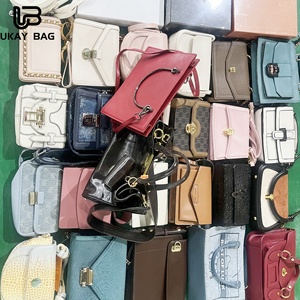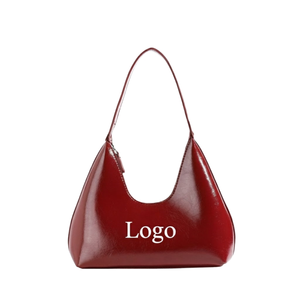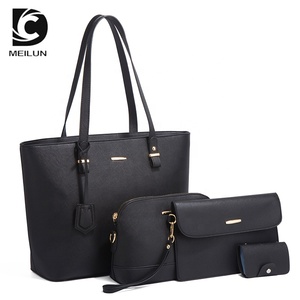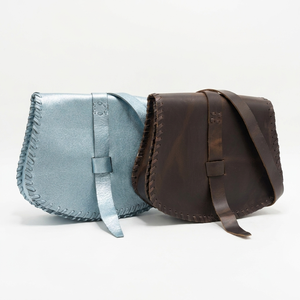
Top China Leather Goods Wholesale Manufacturers & Exporters

Precision Engineering, Ethical Supply Chains, and Scalable OEM/ODM Production Architecture for Global Luxury and Commercial Brands

60,000+
Monthly Capacity (Units)
30+ Years
Export Heritage (Est. 1996)
LWG & SMETA
Audit & Traceability Certified
45+ Countries
Global B2B Logistics Matrix
Enterprise Procurement Index

Verified Product Series: Materials, Handbags & Accessories

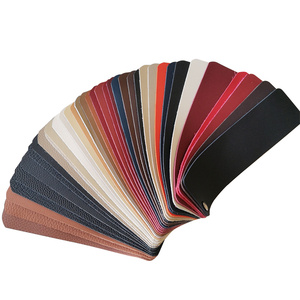
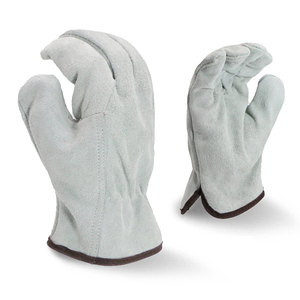
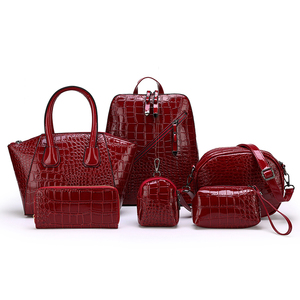
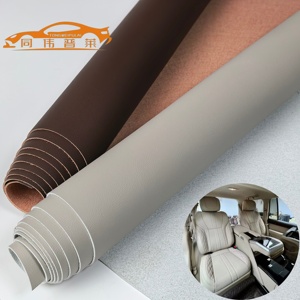
Explore our industrial portfolio comprising automotive-grade microfiber, finished cowhide hides, heavy-duty industrial leather gear, and bespoke luxury fashion sets.

Market Intelligence & Sourcing Shifts

Future B2B Procurement Trends in Global Leather Goods Manufacturing

A strategic overview of changing regulatory pressures, supply chain decentralization, and digital product creation frameworks transforming OEM partnerships.

1. The Rise of Digitized Raw Material Traceability and Audited Chemistry

The international leather goods ecosystem is undergoing an unprecedented regulatory transformation driven by the European Union Deforestation Regulation (EUDR) and tightened ESG mandates across North America. Wholesale buyers and fashion conglomerates can no longer accept unverified hides or opaque chemical finishing operations. Sourcing directors require full downstream visibility from feedlot and slaughterhouse through tanning drums to finished stitching.

Modern Chinese manufacturing operations have pivoted to meet these demands by securing Leather Working Group (LWG) medals and utilizing water-based, solvent-free polyurethanes alongside vegetable tanning protocols that completely mitigate hexavalent chromium formation. Sourcing teams today evaluate manufacturers not merely on labor arbitrage or unit prices, but on the rigor of their chemical management inventories (ZDHC MRSL Level 3 compliance) and digital material passports.

Agile Low-MOQ Sampling Protocols

Traditional procurement cycles demanding 2,000 units per colorway are yielding to agile production matrices. Utilizing computerized cutting beds and rapid-tooling acrylic templates, Tier-1 manufacturing hubs accommodate rapid trial runs of 200–500 units to support seasonal drops, direct-to-consumer testing, and reduced inventory carrying costs.

Bio-Based & Hybrid Polyurethanes

Microfiber engineering has moved beyond basic petroleum derivatives. Modern export formulations integrate post-consumer recycled (PCR) polyesters, bio-based polyols derived from non-food agricultural waste, and mycelium substrates that mirror the tensile strength and hand-feel of calf leather while decreasing carbon footprints by over 45%.

Digital 3D Tech Packs & Clo3D Workflows

Leading exporters have integrated digital garment and leather craft engines (Clo3D and Browzwear) to eliminate weeks of physical sample iterations. Brands provide digital CAD specs; engineering departments generate volumetric stress analyses, calculate pattern efficiency down to fractional millimeters, and deliver photo-realistic renders prior to first prototype strike-offs.

Technological Benchmarks

The Evolution of Chinese Leather Craft: From Manual Assembly to Cyber-Physical Workshops

How the convergence of multi-generational bench leatherworking and automated precision ensures structural integrity and dimensional consistency at global scale.

Automated Edge Finishing

Multi-station edge oiling machinery combines infrared leveling ovens with multi-coat acrylic primers, achieving high adhesion, flex resilience (-20°C non-cracking), and uniform radii on luxury handbag edges.

CNC Stitching Consistency

Programmable computerized sewing stations lock in identical tension, stitch pitch (7-8 stitches per inch), and balanced back-tacking, mitigating operator fatigue variations across tens of thousands of units.

Optical Hide Defect Scanners

Laser nesting machines automatically scan full hides, detecting tick marks, stretch folds, and scarring. Algorithms calculate cut trajectories, maximizing yield by up to 14% while segregating flawless surface panels for exterior faces.

Physical-Chemical QA Testing

On-site laboratories conduct Veslic rub-fastness testing, Bally flex endurance (exceeding 50,000 continuous cycles), tensile tear assays, and salt-spray chamber testing (72-hour anti-oxidation for zinc alloy hardware).

Enterprise Infrastructure

Why Tier-1 Global Importers Partner with Our Manufacturing Core

Combining nearly three decades of heritage since 1996 with advanced compliance architectures to safeguard your brand reputation and distribution velocity.

Second-Generation Proven Heritage

Founded in 1996, our leadership delivers over 30 continuous years of technical manufacturing lineage. We manage the delicate balance between artisan hand-finishing and industrialized high-volume throughput without compromising internal construction tolerances.

SMETA Audited & Ethical Governance

We maintain full Sedex Members Ethical Trade Audit (SMETA) compliance standards covering ethical labor, fair living compensation, safe workspace ventilation, clean energy integration, and zero tolerance for supply chain non-compliance.

Certified Tannery Sourcing Alliances

Raw cowhide and finished splits are sourced systematically from Leather Working Group (LWG) certified facilities. Each yard of upholstery or handbag cut panel features verified traceability, low heavy-metal limits, and superior color consistency across dye lots.

Due Diligence FAQ

Frequently Asked Questions by Global Sourcing Directors

Clear, direct answers regarding production capacities, compliance documentation, MOQ tiers, prototyping timelines, and customs clearance protocols.

What are your minimum order quantity (MOQ) requirements for OEM custom collections?

Our standard production tiers depend directly on material selection and pattern complexity. For genuine leather handbags and executive accessories, our baseline MOQ begins at 200–300 units per style (divisible into two colorways). For technical synthetic lines (microfiber, engineered PU, or industrial work gloves), MOQs typically start at 500–1,000 units to optimize master material roll casting and automated die cutting. We also offer pilot batch trial orders for emerging enterprise accounts with approved tech packs.

How do you manage quality control and material testing during bulk runs?

Quality assurance is governed by a strict AQL (Acceptable Quality Limit) 2.5/4.0 standard across all active workshops. The process comprises three distinct gates: Inbound Raw Material Quality Inspection (IQC) testing tensile tear and color fastness; In-Process Quality Control (IPQC) checking stitch tension, edge painting, and glue line curing at every individual workbench; and Outgoing Final Inspection (OQC) where 100% of finished bags are inspected under controlled lighting, dimensionally verified, cleaned, packed with desiccant silica, and drop-test certified in export cartons.

Can you support international testing standards such as California Prop 65 and REACH?

Yes. All exported products are engineered to conform precisely with market-specific environmental mandates. We consistently manufacture according to EU REACH SVHC restrictions (azo dyes, heavy metals, formaldehyde, phthalates, and DMFu limits) and California Proposition 65 total lead and phthalate limits. We maintain long-term partnerships with SGS, TÜV Rheinland, and Intertek to provide lot-specific third-party laboratory verification certificates upon request.

What is the standard development lead time from digital tech pack to bulk shipping?

Upon receipt of your complete tech pack or physical reference sample, initial pattern cutting and first counter-sample prototypes are normally delivered within 7 to 10 working days. Hardware custom tooling (die-cast custom branded pullers or clasps) adds approximately 14 days. Once pre-production samples (PPS) receive buyer sign-off, commercial bulk mass production takes between 35 and 45 days, followed by container loading and export forwarding via standard FOB, CIF, or DDP Incoterms.

Do you offer full white-label and bespoke private labeling services?

Yes, we operate extensive private label and OEM/ODM engineering teams. Our capabilities encompass laser engraving, hot-foil stamping, deep blind debossing, custom jacquard woven linings, electroplated metal brand plates, custom-woven dust bags, FSC-certified hangtags, and branded presentation rigid boxes configured to meet your exact brand guidelines and warehouse SKU barcoding specifications.

Initiate Factory Direct Procurement

Ready to Engineer Your Next Leather Collection?

Connect directly with our engineering department and export directors. Receive comprehensive material swatch cards, cost breakdowns, and digital prototyping schedules within 24 business hours.

Get a Quote