
Precision-engineered leatherware engineered to meet the demanding build, hardware resilience, and regulatory tolerances of the North American retail landscape.
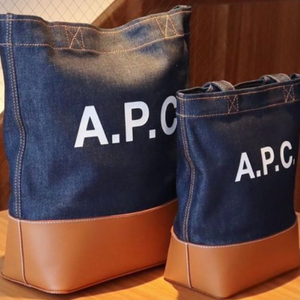
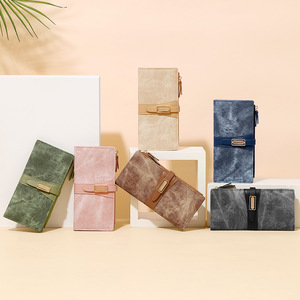
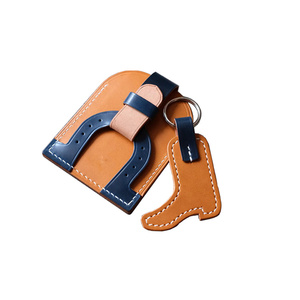
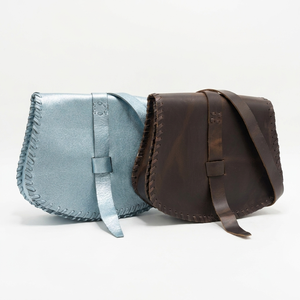
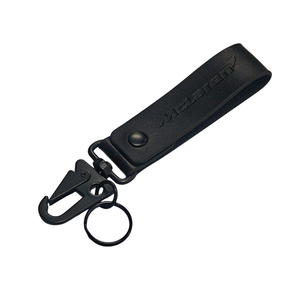
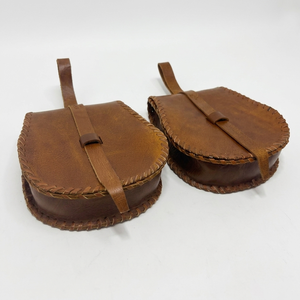
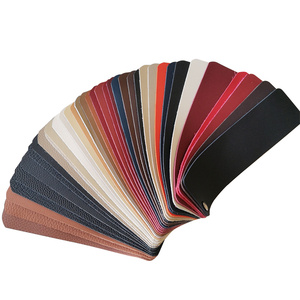
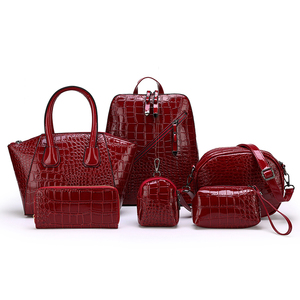
Decoupling high production costs from premium craftsmanship through a seamless international manufacturing model backed by Government of India recognized export infrastructure.
Stringent compliance covering fair labor compensation, environmental containment systems, and rigorous workplace safety verified independently to satisfy stringent corporate ESG reporting standards for US brand portfolios.
100% chemical compliance conforming to California Proposition 65 and REACH guidelines. Every hide processed utilizes zero restricted azo dyes, heavy metal-regulated chromium tanning, and verifiable wastewater stewardship.
In-house pattern masters and CAD engineering transition technical specifications into production-accurate physical prototypes within 7-10 business days, reducing time-to-market ahead of New York Fashion Week seasonal collections.
For Manhattan-based luxury fashion houses, Soho design boutiques, and large-scale department stores distributed throughout New York state, handbag procurement represents an intricate balance of artisan tactile quality, unit margin preservation, and strict supply chain verification. As import tariffs fluctuate and end-consumers scrutinize material traceability, New York fashion merchandisers are systematically phasing out single-origin dependencies in favor of audited, high-precision industrial hubs such as Kolkata—India’s premier leather engineering capital with direct global maritime links.
Operating as a female-founded, second-generation enterprise established in 1996, Raja & Mitsu Fashions bridges artisanal hand-finishing with industrial scale. Recognized by the Government of India as an authorized exporter, our workshop delivers 60,000 units monthly across structured shoulder bags, minimalist totes, men's briefcases, and fine small leather goods (SLG). By managing every production tier—from precision hide skiving to multi-layer edge painting—we supply North American brands with turnkey OEM and private label manufacturing that stands up to third-party audits.
Leather handbags destined for the New York commercial market endure extreme urban wear and functional demands unique to the Northeast corridor. We engineer collections specifically targeted to distinct local demographics:
Reinforced gussets, cross-stitched box handle attachments, and scratch-resistant top coats designed to withstand physical abrasion during high-density subway transit and daily high-volume loads.
Sleek laptop-accommodating satchels and modular totes balancing boardroom aesthetics with compartmentalized utility for laptops, smartphones, and secure RFID-shielded internal wallet pockets.
Vegetable-tanned character leathers that develop rich natural patinas over time, catering to younger consumers seeking vintage aesthetic durability combined with zero microplastic emissions.
1. Strict Decarbonization and Chemical Transparency: New York's legislative climate continues to emphasize supply chain accountability. Procurement teams are moving away from untraceable third-party distributors and contracting directly with SMETA-audited, LWG-certified facilities to ensure leather stock has clean environmental credentials.
2. Hybrid Structural Integrity: Modern New York collections demand structural hybridity—bags that maintain architectural shape through hidden edge supports, reinforced bonded interlinings, and industrial high-cycle hardware without adding excess deadweight.
3. Low-MOQ Core Replenishment: Retail inventory strategies across Fifth Avenue and Madison Avenue retail channels prioritize agile replenishment pipelines. Brands seek manufacturing partners capable of balancing 60,000-unit monthly aggregate capacity with flexible minimum batch sizes across seasonal SKU variants.
Authoritative insights addressing customs, compliance, technical specifications, and shipping dynamics for leather goods entering the Port of New York and New Jersey (PONYNJ) or JFK Air Cargo terminal.
Precision manufacturing isn't incidental; it's an empirical standard. To ensure zero-defect output for overseas shipping containers heading to North American distribution warehouses, each production order follows our disciplined five-stage inspection process:
Thickness calibration using ultrasonic gauges to maintain uniform thickness (1.2mm – 1.8mm) across cut patterns, grading for natural grain flaws, tensile grain elasticity, and dye penetration.
All load-bearing snap hooks, D-rings, magnetic buttons, and zippers undergo tensile pull tests (>25 kgf) and 48-hour salt-spray corrosion tests to withstand humid maritime shipping conditions.
German-manufactured needle controls running bonded nylon thread at 7-8 stitches per inch (SPI). Constant seam tension audits prevent thread slippage or leather perforation tears.
Connect with our senior technical merchandising team. Send your design sketches, specifications, or bill of materials (BOM) to receive feasibility analyses, cost breakups, and sampling schedules within 24 hours.
Contact Us