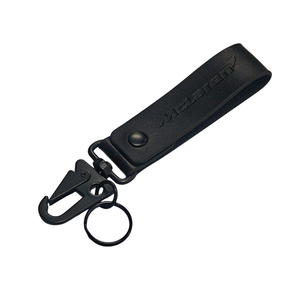
Explore our high-demand OEM/ODM product portfolio engineered with premium full-grain leathers, reinforced magnetic closures, and luxury finishes tailored for Latin American retail dynamics.
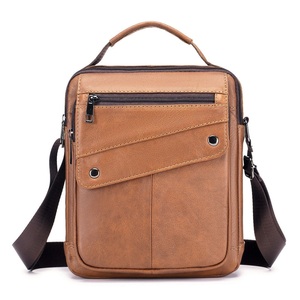
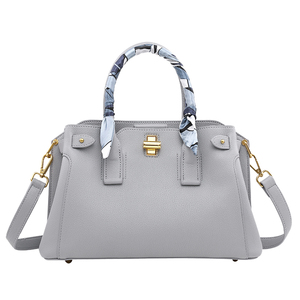
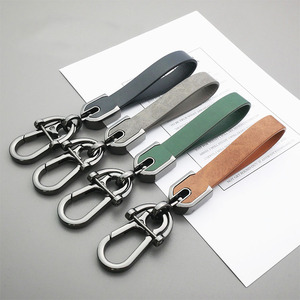
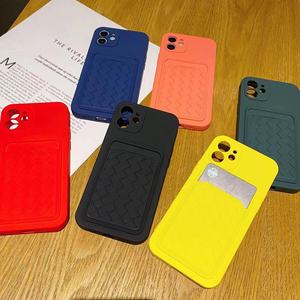
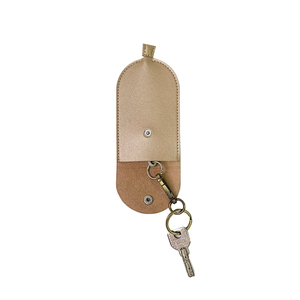
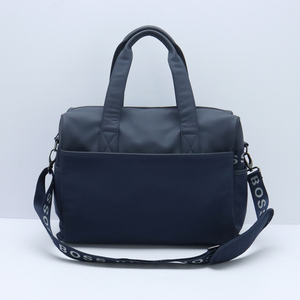
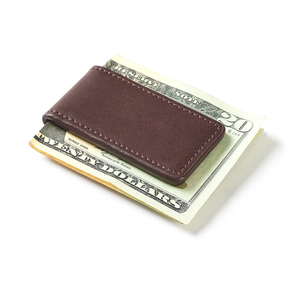
Precision assembly across leather cases, bags, and luxury accessories.
Government of India recognised manufacturer and exporter since 1996.
Tannery traceability with REACH and RoHS chemical compliance validation.
Sedex Members Ethical Trade Audit verified factory floor compliance.
Optical accessories entering South American logistics corridors require specialized material performance standards to withstand coastal humidity, urban transport, and dynamic luxury consumer expectations.
Brazil’s coastal capitals (Rio de Janeiro, Salvador, Recife) experience sustained relative humidity levels exceeding 80%. Standard chrome-tanned leathers often suffer from mold blossom and adhesive delamination in transit.
Coastal saline air quickly oxidizes non-treated brass, steel, and zinc snaps or rivets. Brazilian boutique optical retailers demand closure mechanisms guaranteed against tarnishing and galvanic reaction.
With eyewear consumers in São Paulo and Curitiba actively commuting via multi-modal transit, hard clamshell and rigid triangular fold-down designs protect costly polarized lenses against external pressure.
The eyewear landscape across Latin America—anchored primarily by the Brazilian market—has experienced a structural shift from commoditized plastic cases to durable, heritage-driven presentation packaging. Optical brands distributed across boutique outlets in Jardins (São Paulo), Ipanema (Rio), and high-end chains across Belo Horizonte recognize that the case represents 50% of the customer's ongoing tactile brand engagement.
Additionally, regulatory adherence regarding imported accessories is becoming stricter. Under Brazilian customs regulations and the scrutiny of authorities like Receita Federal and ANVISA (for medical-device linked ophthalmic eyewear), clear traceability of animal hides, chemical tanning agents (strictly limiting chromium VI, azo dyes, and heavy metals under REACH and CE equivalencies), and accurate NCM/Harmonized Tariff classifications are essential to prevent port delays at Santos or Paranaguá.
| Factor | Standard Commodity Exporter | Our Factory Specification (Raja & Mitsu Standard) |
|---|---|---|
| Leather Provenance | Undocumented market byproduct | 100% LWG-Certified Tanneries (Full-Grain & Top-Grain Cowhide) |
| Ethical Compliance | Self-certified unverified audit | SMETA 4-Pillar Audited Facility with Global Sedex Verification |
| Chemical Standards | High risk of Azo/Chromium VI | CE Mark compliant, REACH Annex XVII verified, Zero Formaldehyde |
| Customs Optimization | Generic commercial invoice descriptions | Detailed NCM itemization, packing lists, and certified origin documentation |
| Moisture Barrier | None; standard silica gel packs | Anti-mold treated substrates, sealed carton liners, and desiccant clay |
Furthermore, consumer consciousness in Brazil is driving a demand for sustainable luxury. Buyers actively choose vegetal-tanned leather cases that develop an organic patina over time, rather than petrochemical vinyl that cracks in subtropical sunlight. Our facility's integration of LWG-certified raw hides guarantees water recycling compliance, ethical cattle raising practices, and sustainable finishing that aligns seamlessly with Brazilian ESG corporate procurement mandates.
Founded in 1996 in Kolkata, West Bengal—one of the world's most historic centers of master leather crafting—Raja & Mitsu Fashions combines artisanal finishing with scalable industrial discipline.
Official recognition by the Government of India provides our international partners with rock-solid export reliability, streamlined documentation, and clear supply chain transparency.
Founded by female leadership and run as a progressive second-generation enterprise, we prioritize workplace equity, craft preservation, and modern engineering standards.
We work as a direct technical extension of your product design team, accommodating everything from bespoke debossing dies to custom hardware molding.
Detailed technical, regulatory, and logistics answers for sourcing directors managing customs operations and private label lines across Brazil.
Genuine leather glasses cases are typically classified under NCM 4202.31.00 (Articles of a kind normally carried in the pocket or in the handbag, with outer surface of leather or composition leather) or NCM 4202.91.00. When manufactured with specialized hard shells covered in leather, classification might vary slightly. Our documentation department provides pre-shipment draft commercial invoices, packing lists, and certified bills of lading matching your customs broker (Despachante Aduaneiro) requirements to avoid Siscomex clearance delays.
While Brazil operates primarily under INMETRO standards, CE certification serves as a recognized proxy for stringent European health, consumer safety, and non-toxic chemical thresholds. For leather optical goods, CE compliance proves the material complies with REACH (Regulation (EC) No 1907/2006), verifying that tanning processes are entirely free from restricted harmful chemicals, such as carcinogenic aromatic amines (azo dyes), Chromium VI, nickel release on metal clasps, and volatile plasticizers—assuring total safety for premium luxury consumers.
Our standard production MOQ starts at 300 to 500 units per style and colorway, depending on whether specialized tooling, custom embossing plates, or proprietary alloy hardware molds are requested. For established eyewear brands looking to develop a seasonal collection comprising varied silhouettes (e.g., triangle folding cases, hard zip cases, soft sleeve pouches), we offer blended order structures across shared leather selections to streamline procurement budgets.
Ocean freight traversing from the port of Kolkata or Nhava Sheva to Port of Santos (São Paulo) or Rio de Janeiro typically endures 35–45 days across equatorial oceanic conditions. We pack every single case in breathable poly-bags or non-woven dust bags, line export master cartons with heavy-gauge waterproof poly liners, and include pharmaceutical-grade clay desiccants to keep relative humidity below critical condensation points throughout transport.
Yes. Collapsible triangular and rectangular cases are among our strongest export items to international luxury brands. By engineering hidden magnetic edges and flexible structural score lines, these cases collapse completely flat when empty. This design provides end users with sleek daily portability while cutting bulk international shipping volume and Brazilian warehouse freight storage expenses by up to 65% per SKU.
Once tech packs, dimension specs, or physical reference samples are received at our Kolkata development facility, initial physical prototypes are prepared and shipped via courier within 7 to 10 working days. Upon sample approval and deposit release, bulk factory production cycles require approximately 30 to 45 days for quantities between 2,000 and 10,000 units, followed by scheduled customs dispatch under FOB, CIF, or DDP terms.