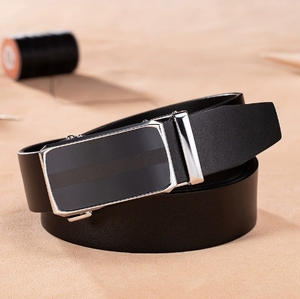

Precision-manufactured leather accessories and raw materials custom-engineered to withstand sub-Saharan climatic wear, meet retail compliance, and satisfy South African merchant margin targets.
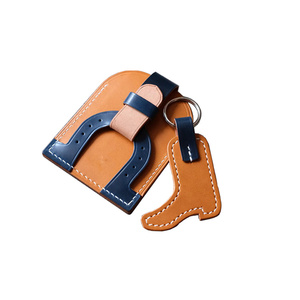
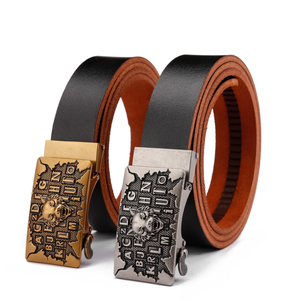
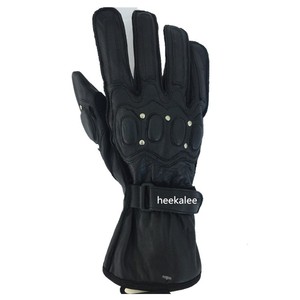
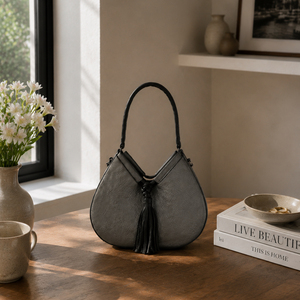
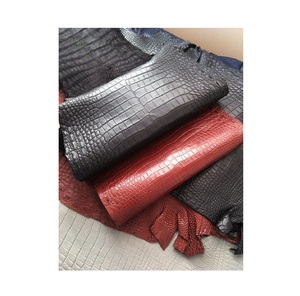
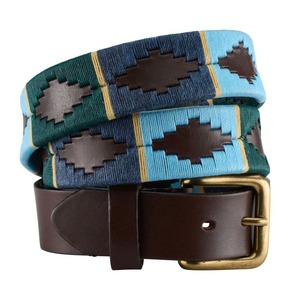
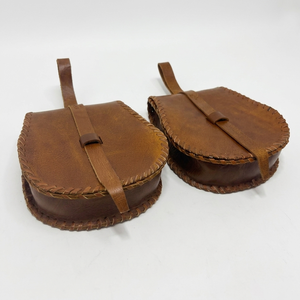
Entering the South African consumer and business sector requires navigating distinctive socio-economic and geographical conditions. As an industrial manufacturing partner, our export product configurations are engineered to solve exact operational and consumer requirements found across major urban centers from Gauteng to the Western Cape.
In the financial capital of Johannesburg (Sandton, Rosebank), corporate executive mobility demands accessories that integrate sleek aesthetics with resilient security features. The demand for anti-theft concealed pocket leather belts, heavy-gauge brass ratchet auto-lock belts, and structured leather briefcases has surged among corporate gift buyers and boutique business retailers. Urban professionals require travel-friendly accessories that prevent opportunistic tampering during commutes while maintaining an elite boardroom impression.
In contrast, the retail landscape of Cape Town and the Garden Route blends high-end coastal tourism with an outdoor, heritage-inspired lifestyle. Retailers catering to both domestic shoppers and affluent international visitors prioritize vegetable-tanned patina satchels, retro tassel hobo bags, and tactile full-grain travel gear. These items must resist higher coastal ambient humidity without finish tackiness, mold formation, or premature hardware oxidation—challenges our electroplated alloy and vegetable-oil seal treatments address directly at factory level.
Furthermore, across regional distribution networks serving Durban and the logistics-heavy KwaZulu-Natal corridor, high-performance cycling and equestrian work gloves along with rugged leather goods support agricultural, leisure, and industrial enterprise needs. Our split-leather and grain cowhide goods undergo strict pull-up, flex, and abrasion cycle stress tests to survive sub-tropical heat without drying, pigment cracking, or structural delamination.
Analysis of import data, SARS customs valuation patterns, and shift in Southern African retail consumer behaviors.
Rising inflation and exchange rate volatility (ZAR/USD) have driven South African tier-1 retailers away from overpriced European luxury imports toward direct OEM relationships with Chinese industrial partners. Sourcing directors obtain European-grade LWG hides and artisanal stitchcraft at direct-from-source FOB rates, preserving consumer price elasticity.
Everyday safety consciousness in South African metros has accelerated buyer preference for functional innovations. Discreet interior zip pockets, secondary security compartments within casual belts, and RFID-shielded genuine leather cardholders are no longer niche novelties; they represent the core baseline specification requested by major department store buyers.
With ongoing port operational backlogs at Durban and Cape Town terminals, South African procurement managers are abandoning spot-market purchasing in favor of structured OEM rolling forecasts. Partnering with suppliers capable of delivering predictable container consolidation from Ningbo/Shenzhen allows reliable replenishment across peak retail cycles.
Decades of mastery, international audit accreditations, and verifiable production metrics dedicated to long-term OEM contracts.
Raw hides are sourced strictly through certified Leather Working Group tanneries. Every batch comes with traceable verification guaranteeing chrome-management, strict effluent treatment compliance, and zero azo dyes or restricted phthalates, facilitating frictionless ITAC customs clearance in South Africa.
Our operational units adhere to internationally recognized Sedex Members Ethical Trade Audit (SMETA) 4-pillar guidelines. This guarantees that South African listed retailers (JSE-listed groups) fulfill their stringent Environmental, Social, and Governance (ESG) audit criteria without third-party compliance liabilities.
With an expansive production infrastructure spanning pattern making, precision computer-guided skiving, hand-buffed edge paint, and structural reinforcement, we guarantee stable run rates of up to 60,000 units monthly across leather bags, belts, and bespoke small leather goods.
Direct answers for sourcing managers, inventory planners, and commercial directors importing containerized leather goods into South Africa.