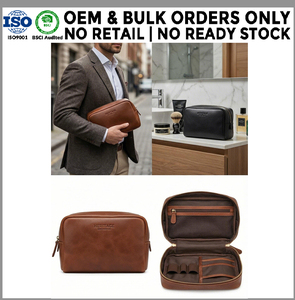
Crazy Horse Cowhide Leather Toiletry Wash Bag Dopp Kit
- Material: Waxed Full-Grain Bovine
- Lining: Anti-Tear Hydrophobic 210D
- Application: Business Travel & Executive Kits

Engineered for brand distributors, commercial suppliers, and retail department stores in Sakae, Meieki, and Central Japan. Our manufacturing framework incorporates pull-up finishes, top-grain bovine hide, and military-spec stitching tolerances.
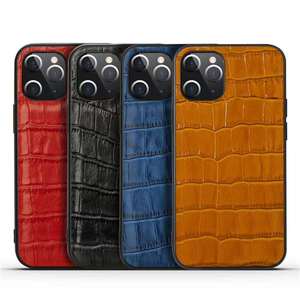
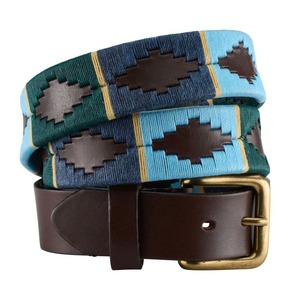
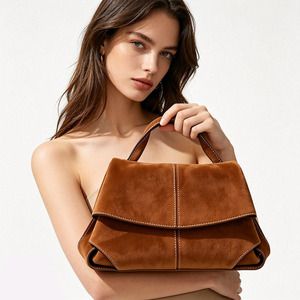
Nagoya and Aichi Prefecture represent Japan's manufacturing heartland. Unlike the trend-driven fashion cycles of Tokyo or Osaka's consumer hubs, the Chūbu market balances industrial discipline, automotive heritage, and refined corporate retail protocols.
With corporate heavyweights, tier-one automotive conglomerates, and international export firms concentrated in Toyota City, Kariya, and the Meieki transit core, demand for high-spec executive leather briefcases, technical driving gloves, and fleet-grade utility goods centers around structural integrity, tensile leather strength, and neutral aesthetics.
High-end department retail centers across Sakae (Matsuzakaya, Mitsukoshi) and JR Central Towers necessitate flawless finishing tolerances. Our OEM private-label production lines execute zero-defect edge paint, Japanese JIS L-1096 rub-fastness standards, and custom brass-casted hardware matches that meet the discerning scrutiny of regional Japanese luxury buyers.
As Japan's largest cargo throughput hub, the Port of Nagoya provides maritime freight pathways directly from Indian production bases. By routing shipments through Nagoya Port rather than staging through congested Kanto hubs, Chūbu-based wholesale importers minimize secondary domestic haulage and reduce freight landed costs by up to 18%.
Procurement teams in Nagoya require rigorous validation against moisture migration, mold development in high-humidity summer seasons (Tsuyu), and color bleeding (crocking). Raja & Mitsu utilizes drum-treated hydrophobic finishes and pH-neutral vegetable tanning agents to ensure all bulk runs comply with ISO 15701, JIS K 6547, and REACH annex XVII compliance mandates prior to maritime dispatch.
Strategic supply chain reconfiguration across Japan's Chūbu region is redefining how brand managers source contract leather accessories.
Japanese purchasing managers are actively migrating production risk away from single-source mainland manufacturing hubs toward established South Asian centers. India’s historical trade alignment, raw material cowhide autonomy, and the India-Japan Comprehensive Economic Partnership Agreement (CEPA) facilitate concessional tariff treatments that enhance supply chain resilience for Aichi importers.
Corporate governance directives among publicly traded Japanese entities demand strict supply chain visibility. Unsubstantiated claims of sustainability are rejected; buyers require certified tanneries registered under the Leather Working Group (LWG) and human-rights compliance through independent, third-party SMETA 4-pillar industrial audits.
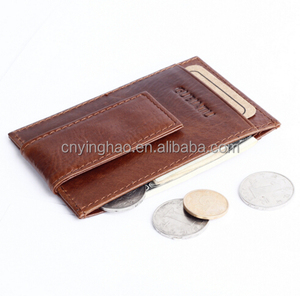
Driven by Japan's cashless transition (PayPay, Suica integration), demand for bulky wallets in Nagoya retail environments has collapsed in favor of engineered small leather goods (SLG). Products must feature ultra-flat skiving, RFID-isolated linings, and specialized neodymium magnetic money fasteners calibrated to avoid erasing IC rail cards.
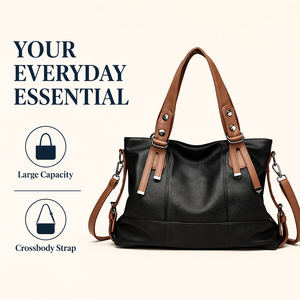
The modernization of the Meitetsu and JR commuter corridors has altered daily carry requirements. Professionals favor multi-way tote-briefcases and weather-resistant pebbled cowhide backpacks that seamlessly shift from rail commute to executive presentations, with specialized padding for ultrabooks and tablet computers.
Established in 1996 in Kolkata—the historic epicenter of Indian leather craft—we operate as a female-founded, second-generation manufacturing enterprise recognized by the Government of India.
We blend second-generation industrial leadership with rigorous ethical accountability. SMETA-certified manufacturing guarantees equitable labor practices, fire and physical workplace safety, zero child-labor tolerance, and structured environmental management.
Every hide utilized in our OEM runs is traceable to Leather Working Group-certified tanneries. Our production cycles manage effluent treatment standards, chrome-free options (wet-white), and vegetable-tanned inputs that conform to strict global ecological frameworks.
Our dedicated sampling division translates Japanese-language CAD files, physical swatches, or rough conceptual sketches into precise pre-production prototypes within 10 to 14 working days, maintaining zero-defect tolerances from the first master pattern to volume scale.
Key procedural details on regulatory clearance, Minimum Order Quantities (MOQs), quality inspection standards, and Incoterms shipping to Aichi Prefecture.
Our standard production runs typically start at 100 to 200 units per colorway for medium-to-large leather bags, and 300 to 500 units for small leather goods and cardholders. We offer flexible tiered sampling and batch runs to support new collection test-marketing across Nagoya retail channels.
Yes. As a Government of India Recognized Leather Goods Exporter, we issue verified Preferential Certificate of Origin (Form I-J CEPA) documents through the Export Inspection Council. This allows qualified leather items to enter Japanese ports under preferential or zero-duty customs classifications.
Every small leather good, handbag, and apparel accessory destined for Japanese buyers undergoes mandatory calibrated conveyor needle-detection (Hashikake) to conform to Japanese consumer safety standards. Test logs and calibration verification certificates accompany all export consignments.
Bulk production lead times run between 45 to 60 days following master sample tech-pack approval. Sea freight from the Port of Kolkata/Haldia to the Port of Nagoya averages 18 to 24 transit days. Urgent sampling runs or initial inventory restocks can be routed via air freight directly to Chubu Centrair International Airport (NGO).
Yes. We operate both full custom fabrication (FOB/CIF Kolkata) and Cut-Make-Trim (CMT) arrangements. We routinely accept customer-nominated hardware, custom Japanese YKK zippers, specialized jacquard linings, and bespoke branded brass badges shipped directly to our Kolkata bonded warehouse.
Given the humidity variations across sea transit lanes into Japan, we pack all leather goods with food-grade anti-mold microchips (such as Micro-Pak), silica desiccant pouches, and moisture-sealed inner polyethylene envelopes to preserve hide condition throughout delivery.