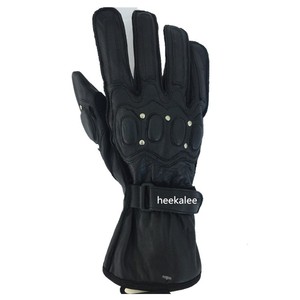
High Quality Winter Riding Gloves Leather Cycling and Car Gloves Exported to Europe and North America
- Material: Supple Aniline Goatskin
- Lining: Thermal Brushed Microfleece
- Stitching: Ergonomic Reinforced Seams

Units across bags, wallets & luxury accessories
Second-generation leather artisans since 1996
Audited tanneries adhering to strict ecological benchmarks
Fully compliant labor, wage & facility standards
Explore our export-grade full-grain bags, travel utility sets, and handcrafted bespoke accessories tailored for brands scaling across Cairo, Alexandria, the Red Sea, and global territories.
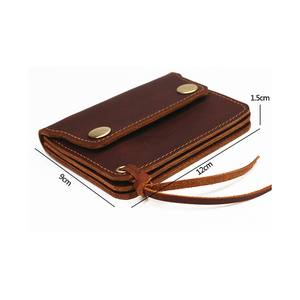
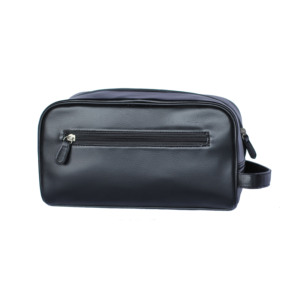
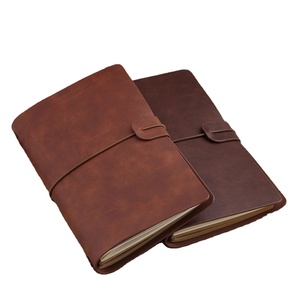
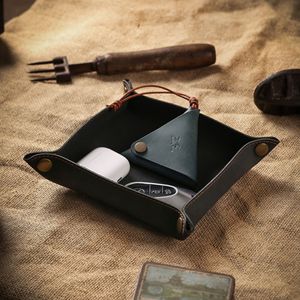
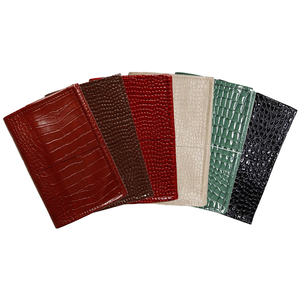
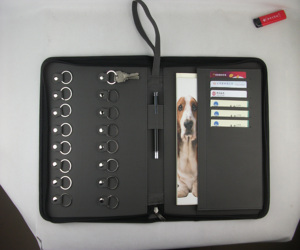
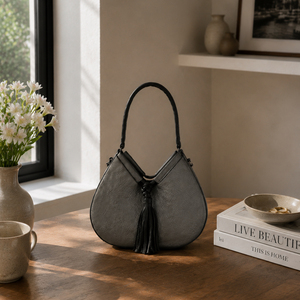
The quest for authentic, high-precision handcrafted leather bags manufacturers catering to the Egyptian market requires evaluating both national production hubs and scalable international original equipment manufacturers (OEM). Egypt boasts a venerable tanning legacy that dates back millennia, anchored modernly within industrial districts like Robbiki Leather City in Badr City and historical tanneries in Old Cairo. However, modern luxury brands, boutique houses in Zamalek and New Cairo, and corporate procurers across North Africa confront a delicate balance: local handcraft authenticity versus industrial scalability, tight timeline fidelity, and verifiable environmental compliance.
"While local artisanal workshops in Khan el-Khalili provide raw cultural charm, scaling brand production past 5,000 flawless units monthly demands certified chemical safety compliance, repeatable laser pattern-cutting precision, and auditable supply chain chains that meet European and North American export standards."
Whether you operate an Egyptian designer label expanding into the Gulf Cooperation Council (GCC), a high-end Nile cruise fleet outfitting bespoke VIP travel amenities, or a multi-store retailer looking for resilient private-label collections, understanding the nuances of leather grades, chrome versus vegetable tanning, and stitch engineering is vital for brand equity.
Leading leather goods manufacturing merges manual bench-crafting mastery with computerized cutting technology. To minimize material scrap and optimize yield on high-priced Egyptian or imported hides, contemporary facilities deploy multi-head CNC oscillating knife cutters alongside hydraulic clicker presses. Edge skiving machines shave hide margins down to fractions of a millimeter, enabling refined French-edge folding on structured totes and seamless piping insertion on travel holdalls.
Full-grain and top-grain hides undergo tensile resistance testing (ISO 3376) to ensure handles, stress joints, and luggage anchor points resist tearing up to 250 Newtons.
In hot, arid climates such as Cairo, Giza, and Upper Egypt, edge paints are formulated with elastic polyurethane bases that resist cracking up to 55°C without tackiness.
Electroplated zinc-alloy, brass, and stainless steel fasteners undergo 72-hour salt spray chambers (ASTM B117), preventing oxidation in humid coastal Mediterranean ports.
Handcrafted leather bags and executive small leather goods (SLG) serve distinctive commercial and cultural ecosystems throughout Egypt. Understanding localized application profiles allows brands to structure catalogs that resonate with commercial procurement directors and style-conscious end buyers.
Cairo's upscale enclaves in Zamalek, Maadi, and Sheikh Zayed host high-concept department stores and designer ateliers requiring limited-run, bespoke full-grain hobo bags, saddle crossbody pouches, and vegetable-tanned architectural totes. Discerning domestic shoppers expect hand-painted edge burnishing, micro-stitch precision (7 to 8 stitches per inch), and discrete debossed monogramming.
Five-star resorts across Sharm El-Sheikh, Hurghada, and El Gouna, alongside boutique river cruises traversing Luxor and Aswan, demand branded luxury lifestyle luggage. Customized water-resistant toiletry dopp kits, pull-up leather weekender bags, and laser-engraved valet trays are curated as luxury suites amenities and sold inside curated resort gift boutiques catering to high-spending international travelers.
The migration of governmental ministries, multi-national bank headquarters, and diplomatic embassies to the New Administrative Capital (NAC) has accelerated procurement requirements for premium executive briefcases, RFID-blocking zipper cardholders, and A5 refillable leather-bound journals for executive summits, shareholder forums, and diplomatic protocol gifting.
The leather manufacturing paradigm across Egypt is experiencing profound structural transformations prompted by regulatory updates, trade agreements, and changing retail habits:
The Egyptian government's ongoing transition of tanning operations from Old Cairo's historic Magra El-Oyoun quarter to the specialized industrial zone of Robbiki Leather City represents a step forward in wastewater recycling, centralized chromium management, and industrial hygiene. Nevertheless, while primary hide production has consolidated, downstream artisanal assembly—the conversion of hides into master-crafted luxury handbags—frequently requires specialized manufacturing partners equipped with high-speed automated sewing arms, specialized edge splitting, and global SMETA ethical validation.
Eco-conscious Egyptian buyers, alongside European tourists traveling through the Levant, are demanding transparency regarding chrome tanning chemistry. Sourcing partners that can provide LWG (Leather Working Group) certified leathers tanned with mimosa, chestnut, and tara tannins satisfy REACH and RoHS criteria, eliminating hexavalent chromium (Cr VI) risks and delivering a distinctive patina that matures gracefully over years of wear.
Direct-to-consumer (D2C) bag labels founded by innovative young Egyptian designers are flourishing on social commerce platforms. These dynamic brands seek lean minimum order quantities (MOQs) spanning 100 to 300 pieces per colorway to test runway trends without excessive inventory holding costs. Agile manufacturers must bridge the gap between large-scale 60,000 unit/month industrial capacity and boutique capsule prototyping.
Operating within the Greater Arab Free Trade Area (GAFTA) and COMESA creates distinct zero-duty advantages for leather products manufactured within compliant export frameworks. Savvy Egyptian trading enterprises actively establish contract manufacturing agreements with audited facilities that furnish complete Certificate of Origin (COO) document verification, guaranteeing duty-exempt transit into the UAE, Saudi Arabia, Kuwait, and across East Africa.
Drawing on three decades of disciplined fabrication as a government-recognized leather goods manufacturer and exporter since 1996, our operations deliver an internationally certified, scalable production partner for Egyptian enterprises seeking world-class build quality:
Every square foot of cowhide, buffalo grain, and supple sheepskin is traced directly to Leather Working Group certified partners, ensuring stringent wastewater handling, chemical safety, and ethical provenance for your collections.
Our workshop follows Sedex Members Ethical Trade Audits covering worker safety, fair compensation, zero child labor, and workplace welfare, granting your brand impeccable compliance credentials for Western and Middle Eastern retail audits.
Founded on rigorous artisanal dedication, our female-led executive team brings a nuanced design aesthetic, meticulous attention to seam tension, and responsive B2B communication to international brand partnerships.
From custom capsule collections of 200 units to multi-container export shipments distributed across global flagship stores, our modular workshop cells scale efficiently without sacrificing handcrafted precision.
Our in-house pattern engineers translate sketches, reference photos, or CAD tech packs into physical counter-samples within 7 to 10 working days, complete with material swatch rings and custom hardware casting options.
We provide comprehensive CIF, FOB, and DDP shipping configurations with full documentation, including phytosanitary certificates, origin declarations, and compliant HS code classifications for rapid clearance through Alexandria, Damietta, and Cairo Airport air cargo terminals.
Clear, direct answers for brand owners, supply chain officers, and corporate merchandise managers evaluating leather goods manufacturing partnerships.