
Evaluating industrial-tier OEM/ODM production capabilities, Leather Working Group (LWG) ecological protocols, and regulatory alignment with North African customs modernization.
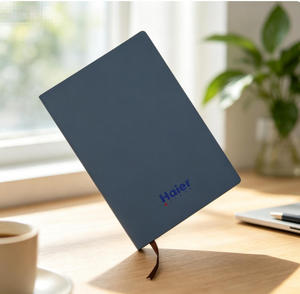

The People's Democratic Republic of Algeria represents one of the most dynamic yet regulation-intensive retail and manufacturing environments across North Africa. As the nation navigates fiscal modernization through the diversification of its non-hydrocarbon sector and updates to the Algérie Douanes import tariffs, local leather distributors, independent fashion labels, and hospitality conglomerates are fundamentally re-evaluating their sourcing frameworks. For decades, retail corridors within Sidi Yahia, Didouche Mourad in Algiers, and commercial retail hubs in Oran and Constantine leaned heavily on ad-hoc importing routes from southern Europe. However, shifting balance-of-trade legislation, foreign exchange directives overseen by the Banque d'Algérie, and an increasing domestic appetite for durable, certified goods have underscored the urgent need for structured, direct-to-factory OEM and ODM manufacturing partnerships.
The challenge confronting procurement managers in Algiers is twofold: maintaining an agile supply chain capable of producing artisanal-grade small leather goods (SLGs) and structured handbags, while strictly adhering to industrial traceability metrics. European luxury margins often render consumer retail price points non-viable for middle-tier Algerian consumers, while low-tier commodity imports frequently fail under rigorous climate resilience tests and strict commercial inspections. The solution lies in identifying verified manufacturers who hold authentic international certifications—such as Leather Working Group (LWG) environmental processing protocols and Sedex Members Ethical Trade Audit (SMETA) work floor standards—capable of manufacturing scalable private label inventory at accessible unit economics.
When curating the top manufacturing partners servicing North African import houses, sourcing committees assess critical indicators: tannery traceability, tech-pack turnaround agility, hardware anti-corrosion grades suitable for coastal humidity, and Letter of Credit (L/C) compliance. As an industry leader recognized by the Government of India, Raja & Mitsu Fashions anchors this evaluation matrix, bridging multi-generational craft traditions with high-volume industrial reliability.
Mapping engineered leather accessories to regional climatic variables, retail distributions, and corporate ecosystems across northern and interior wilayas.
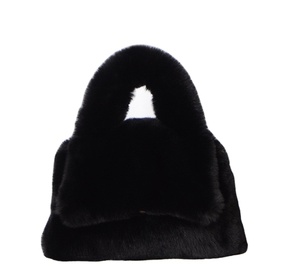
From luxury retail showrooms in Bab Ezzouar Mall to flagship avenues in Oran's Akid Lotfi, private label women's structured satchels and hand-buffed leather totes provide Algerian fashion retailers with distinct, defensible margin points over ubiquitous synthetic imports.
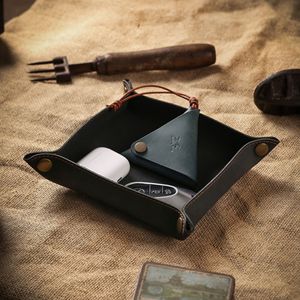
Sonatrach administrative corridors, multinational technical contractors in Hassi Messaoud, and ministerial delegations require executive-grade briefcases, debossed conference portfolios, and personalized leather desk valet trays that project institutional permanence and prestige.
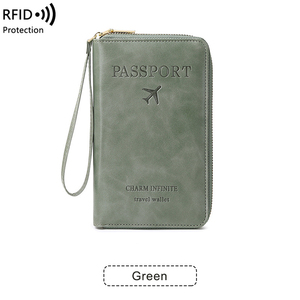
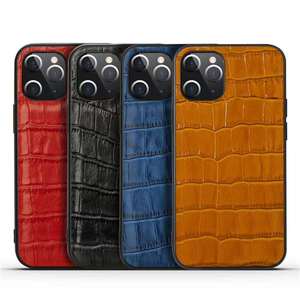
With an expanding entrepreneurial tech class traversing Algiers Houari Boumediene Airport and international trade circuits, RFID-shielded genuine leather passport wallets and precision phone sleeves protect critical telemetry against contactless interception.
Algiers and Annaba experience heavy saline marine humidity during winter months, contrasted by arid seasonal heat. Our full-grain hides receive specialized wax sealants and edge varnishes to prevent surface cracking, mold ingress, or hardware oxidation.
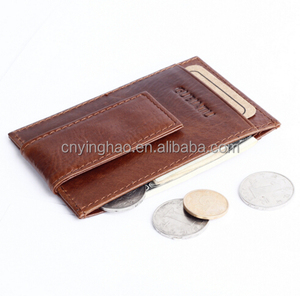
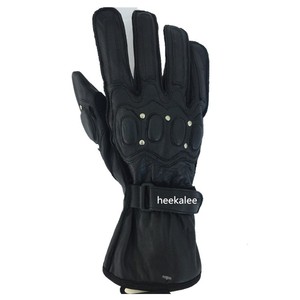
The urban transport landscape across Constantine's cliff roadways and the East-West Highway elevates demand for robust vehicle cabin accessories—including laserable leatherette valet trays, high-tactile riding gloves, and heavy-duty magnetic money clips.
Heritage boutique hotels in the Casbah and international coastal hospitality establishments utilize customized full-grain check presenters, leather-bound guest directory binders, and bespoke room key fobs designed to endure high guest turnover.
Commercial procurement directors across Algeria are increasingly phasing out fragmented, open-market wholesale arrangements in favor of direct contract manufacturing. The drivers behind this pivot reflect broader structural trends in the regional economy:
Under modernized administrative procedures enforced by the Algerian Ministry of Commerce and the National Agency for the Promotion of Foreign Trade (ALGEX), all manufactured goods entering Algerian sea terminals—including Port of Algiers, Port of Oran, and Port of Djen Djen—must feature pristine documentation. Sourcing from accredited exporters ensures that every commercial invoice, packing list, certificate of origin (CoO), and bill of lading (B/L) is structured to facilitate clean regulatory clearance. Furthermore, technical testing verification certifying leathers free of hazardous AZO dyes, hexavalent chromium (Cr VI), and banned phthalates protects importers against customs impoundment.
Modern Algerian consumers, particularly younger urban demographics across Blida, Sétif, and Batna, exhibit growing awareness regarding material authenticity and ethical stewardship. Counterfeit synthetic textiles marketed dishonestly as leather often degrade within months under Mediterranean ultraviolet exposure. Brands partnering with LWG-certified tanneries guarantee traceability back to ethical cattle farms, verifiable water effluent management systems, and safe chemical processing. This ecological pedigree allows Algerian brand founders to command premium retail value points and construct enduring brand equity.
The proliferation of domestic e-commerce infrastructure, supported by local cashless payment innovations and regional delivery logistics across all 58 wilayas, has sparked a rise in digital-native leather lifestyle labels. These platforms require diverse SKU variations—including minimalist cardholders, phone sleeves, and unisex messenger bags—manufactured with consistent color matching and high dimensional tolerances, allowing brands to launch seasonal collections without holding excessive dead-stock inventory.
Three decades of manufacturing excellence, trusted by leading brands across Europe, North America, and North Africa.
Our Kolkata production facilities undergo strict third-party Sedex Members Ethical Trade Audits (SMETA), ensuring absolute workplace transparency, fair living wages, and complete absence of non-compliant labor practices.
Formally recognized as a premier leather goods exporter, providing international commercial partners with seamless bank-to-bank international trade settlement and audited chain of export custody.
Established in 1996, our executive leadership combines classic leather craftsmanship with computerized CAD cutting systems, laser pattern plotters, and rigorous multi-stage quality control stations.
Actionable answers addressing banking instruments, customs documentation, testing standards, and logistics for Algerian trading entities.
We work within the parameters established by the Banque d'Algérie and international banking conduits. We accept Irrevocable Letters of Credit (L/C at sight) opened through reputable commercial banking entities (such as BEA, BNA, or CPA), in addition to structured Documentary Collections (Remise Documentaire) and international Telegraphic Transfers (T/T), ensuring full regulatory compliance with Algerian exchange controls.
Every shipment is accompanied by complete documentation tailored to Algerian customs requirements: legalized Certificates of Origin, comprehensive packing lists detailing net/gross kilograms, harmonized system (HS) product code classifications, certificates of conformity, and clear commercial invoices matching bank domiciliation records.
We accommodate emerging luxury brands and large retail distributors alike. Standard private label handbag production begins at 100 to 200 units per colorway, while small leather goods (wallets, cardholders, and passport organizers) start at 250 units, enabling multi-category catalog expansion without excessive inventory liability.
Yes. Our sampling atelier operates directly from detailed tech packs, physical reference samples, or CAD blueprints. We offer bespoke metal mold forging for custom buckles, laser engraving, foil heat stamping, screen debossing, and pantone-matched interior jacquard linings.
All metal fittings utilize electroplated brass, zamak, or stainless steel alloys subjected to salt-spray tests. In export transit, finished products are protected with breathable non-woven dust covers, moisture-absorbing silica canisters, and sealed double-walled corrugated master cartons engineered for sea-freight container journeys.
Partner with a government-recognized, audit-verified leather goods manufacturer. Request our comprehensive commercial lookbook, technical material swatches, and factory pricing guidelines.
Get Catalog