B2B Trade Intelligence & Sourcing Report

Top China Leather Backpacks Factories & Suppliers Serving New Zealand

Comprehensive Whitepaper on Technical Specifications, LWG Sustainability Benchmarks, Trans-Tasman Logistics, and OEM/ODM Private Label Engineering.

Engineered Collections

Export-Grade Genuine Leather Goods & Carrywear

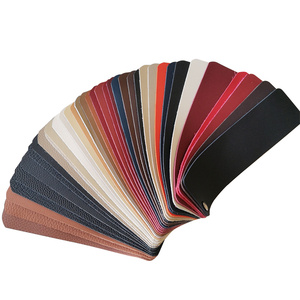
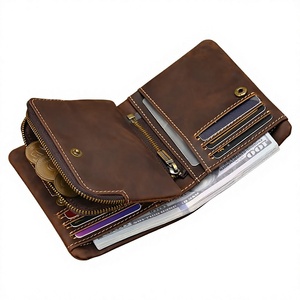
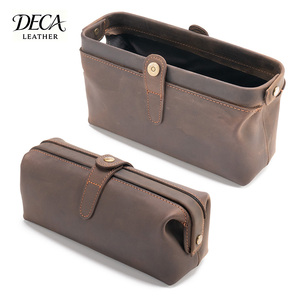
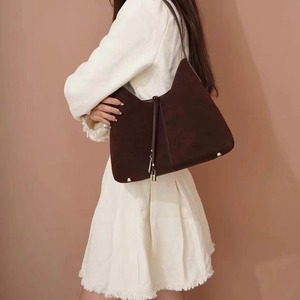
Constructed from REACH-compliant cowhides, oil-waxed Crazy Horse leather, and premium hardware. Specifically engineered for rugged performance and sophisticated corporate presentation across Australasia.
30+
Years of Manufacturing Heritage
60,000
Units Monthly Production Output
100%
LWG & SMETA Audited Traceability
14-21
Transit Days Direct to NZ Ports
Strategic Technical Analysis

Bridging Chinese Precision Tannery Supply with New Zealand Quality Standards

Sourcing leather backpacks and premium travel lifestyle packs for the New Zealand market requires a nuanced balance of environmental resilience, ethical verification, and structural ergonomics. Unlike high-volume consumer goods, leather travel goods bound for Auckland, Wellington, and Christchurch encounter unique meteorological demands: elevated UV indices, sudden maritime rain fronts, and a consumer demographic deeply invested in genuine sustainability rather than empty marketing rhetoric.

Our OEM/ODM manufacturing protocols address these specific geographic stresses at the tannage level. By utilizing drum-dyed, chrome-free, and vegetable-tanned bovine hides inspected according to ASTM international tear strength standards (exceeding 85 N), we ensure every pack withstands active commuter and backcountry transit alike.
  • Leather Working Group (LWG) Gold/Silver Sourcing: Effluent management, zero banned hazardous chrome-VI substances, and absolute hide traceability.
  • Ergonomic Load Suspension Systems: Contoured EVA foam back panels bonded with hydrophobic top-grain leather straps for breathability in temperate maritime weather.
  • Hardware Metallurgy: Solid anti-corrosive zinc alloy and brass hardware subjected to 72-hour saline spray tests to counteract coastal sea spray corrosion.
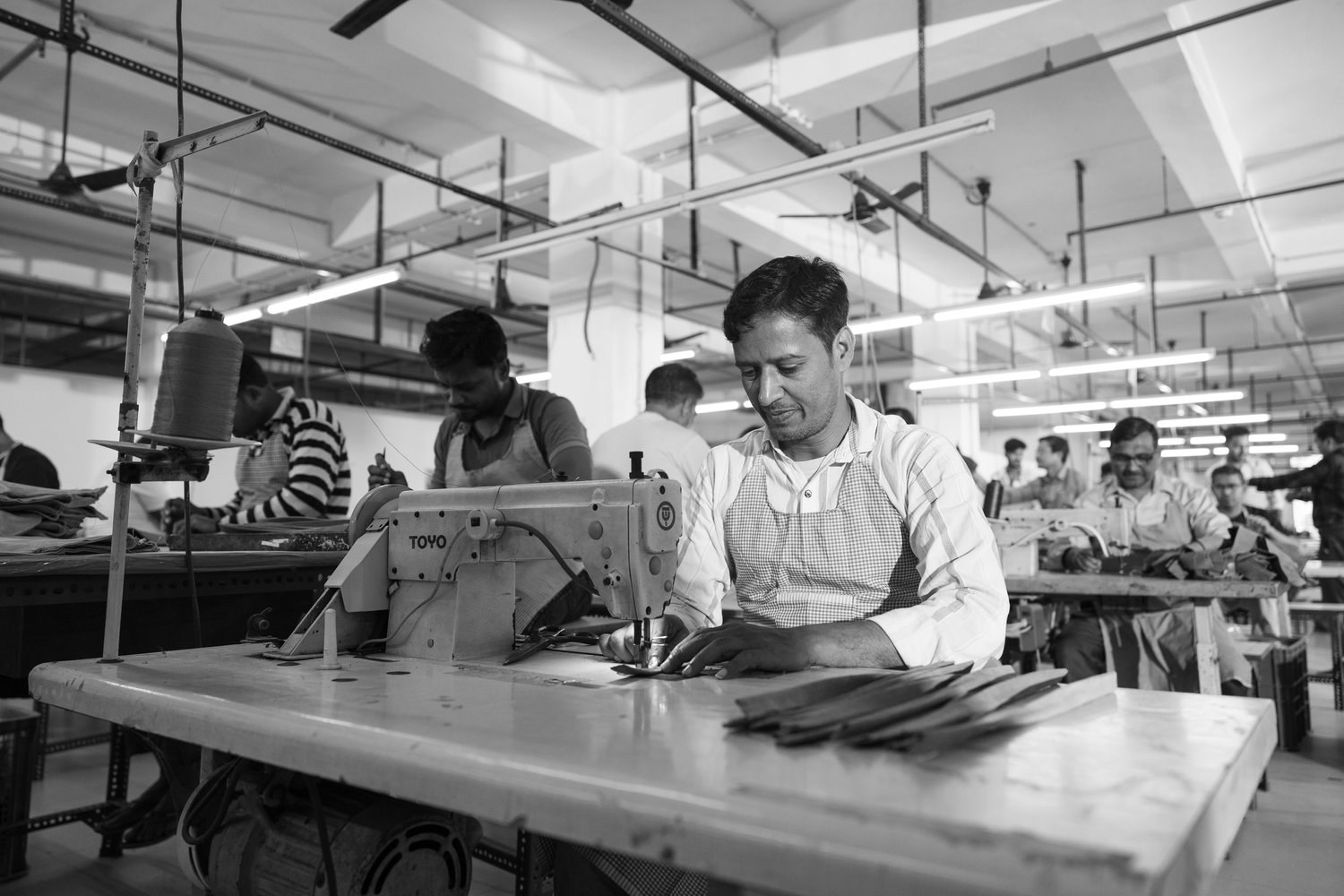
Artisan leathercrafting and industrial production line testing
Localized Applications

Tailored Execution for Aotearoa's Daily Lifestyle

How our factory design teams engineer leather packs to match the micro-climates, commuting habits, and outdoor culture across New Zealand’s primary urban and regional hubs.

Auckland Corporate & Ferry Transit

Auckland’s multi-modal commuter corridor requires seamless transition between the ferry terminal, britomart rail, and downtown boardroom. Leather packs engineered with padded 16-inch neoprene laptop cradles, YKK water-repellent AquaGuard exterior zippers, and scratch-resistant oil-wax cowhide protect sensitive computing hardware from sudden harbour drizzle while maintaining executive elegance.

Wellington "Windy City" Maritime Defense

Wellington’s aggressive crosswinds and high relative humidity challenge inferior edge finishes. Our edge coatings leverage multi-layered elastic polyurethane polymer sealants that do not crack under shearing wind force or ambient thermal fluctuation (-2°C winter to 26°C summer), backed by reinforced bonded nylon 6.6 heavy-gauge stitching across all stress gussets.

South Island Eco-Tourism & Wilderness Escapes

From Queenstown lodges to Christchurch alpine weekenders, Kiwi consumers value bags that transition effortlessly from flights to off-road vineyard and mountain terrain. Full-grain Crazy Horse leather develops an exquisite natural patina over years of friction and sunlight, aligning completely with the high aesthetic and longevity expectations of regional boutique retail chains.

Market Dynamics & Future Outlook

Macro Trends Reshaping NZ Leather Wholesale & Supply Chains

Data from retail analytics across Australasia indicates three pronounced shifts governing wholesale buying behaviors among independent department stores, corporate gifting companies, and direct-to-consumer labels in New Zealand:

1. The Rise of "Bio-Traceable" Supply Chains

Kiwi customs authorities and consumers prioritize strict adherence to biosecurity and non-toxic tanning. Products must clear Ministry for Primary Industries (MPI) biosecurity protocols seamlessly through certified sterilization and clean palletisation.

2. Hybrid Modular Commuting Requirements

Demand has surged by 42% for hybrid 2-in-1 backpacks with concealable straps that convert into horizontal briefcases, accommodating flexible work lifestyles across New Zealand’s tech and business sectors.

3. China-to-NZ Direct Consolidation Efficiency

Bypassing Australian intermediary warehousing via direct shipping from Ningbo or Shenzhen into the Ports of Auckland (POAL) and Lyttelton Port saves New Zealand importers an estimated 14–18% in distribution overheads.

Factory Capabilities

Why New Zealand Importers Partner With Us

From digital prototype rendering to final clearance in Tauranga or Auckland, our integrated industrial framework eliminates supply chain bottlenecks.

SMETA Ethically Audited

Stringent compliance across fair labor practices, worker safety, and ethical factory conditions verifiable through Sedex.

LWG Tannery Integration

100% hide procurement through certified eco-tanneries adhering to sustainable chemical management.

Rapid CAD & Tech Packs

Custom 3D prototyping and physical sample turnaround within 5-7 business days from technical drawings.

Rigorous AQL 2.5 QC

Pre-shipment drop tests, zipper cycle stress checks, tensile load tests, and 100% individual cosmetic inspection.

Direct Oceanic Freight

Established direct freight lanes to POAL, Lyttelton, and Napier with complete bill of lading and export documentation.

Technical Clarifications

New Zealand Sourcing Manager FAQ

Answers to common operational, regulatory, and technical questions regarding leather imports into NZ.

What specific import compliance requirements apply to leather backpacks entering New Zealand?
Leather goods entering New Zealand must comply with the New Zealand Customs Service regulations and Ministry for Primary Industries (MPI) biosecurity mandates. Because our products use fully finished, industrially tanned and drum-dyed bovine hides, they do not require fresh agricultural quarantine treatments. We accompany all commercial consignments with comprehensive Fumigation/Sterilization certificates, Non-Wood Packaging declarations (ISPM-15 compliance for pallets), and detailed Country of Origin certifications to ensure rapid clearance without border holds.
What are your Minimum Order Quantities (MOQ) for custom private label leather backpacks?
For full custom OEM/ODM production using existing stocked top-grain leathers or Crazy Horse cowhides, our standard minimum order quantity starts at 100 units per colorway. For custom-tanned, bespoke Pantone-matched leather hides or fully proprietary metal hardware mold developments, MOQ typically begins at 300 units. We actively accommodate trial batches for emerging Kiwi boutique labels to facilitate market validation before full-scale container orders.
How do you manage humidity and mold prevention during oceanic transit to the South Pacific?
Crossing equatorial marine corridors poses severe condensation and humidity risks (container rain). We employ a multi-stage defense strategy: all leather items are conditioned with anti-fungal finishing agents during final buffing; each bag interior is packed with food-grade clay desiccant sachets and wrapped in breathable non-woven dust bags; and outer master cartons are lined with moisture-barrier film and desiccant poles suspended throughout the container envelope.
Can your facility reproduce or improve our current tech packs and 3D digital concepts?
Yes. Our internal engineering department works directly from Adobe Illustrator tech packs, CAD sketches, Clo3D renders, or physical benchmark samples. We perform comprehensive pattern deconstruction to optimize hide yield, evaluate structural seam vulnerabilities, and offer hardware alternatives that enhance product durability while maintaining your target wholesale price margins.
What are the typical lead times for sample development and bulk oceanic shipping to New Zealand?
Pre-production prototype development usually takes 7 to 10 working days. Upon counter-sample and tech-pack sign-off, mass manufacturing lead time is approximately 30 to 45 days depending on batch volume. Direct sea freight from China ports (Ningbo/Shenzhen) to the Port of Auckland or Lyttelton typically averages 14 to 21 sailing days, providing a predictable timeline for seasonal retail collections.

Ready to Scale Your Leather Bag Line for the NZ Market?

Initiate direct communication with our manufacturing engineering team. Request a detailed factory audit report, leather swatch kits, or receive an exact production quotation based on your design brief.