
Poland represents one of the most vibrant consumer electronics ecosystems in Central and Eastern Europe (CEE). With consumer purchasing power climbing across regional centers like Warsaw, Kraków, Wrocław, and Poznań, user expectations for smartphone peripherals have crossed a defining threshold. Plastic and generic TPU shells are steadily yielding market share to structured tactile leather cases, hybrid folio wallets, and MagSafe-compatible luxury shields.
However, importing finished consumer leather goods into Poland requires a disciplined convergence of industrial cost engineering, European Union regulatory compliance (EU REACH, Prop 65, RoHS), and local market localization. Leading Polish electronics distributors, omni-channel retailers (such as networks supplying MediaMarkt, RTV Euro AGD, and Allegro Super-Sellers), and bespoke boutique brands demand reliable OEM/ODM partners capable of high mechanical yield rates, documented material provenance, and custom branding versatility.
This authoritative technical guide deconstructs the manufacturing benchmarks, localized use cases, import compliance challenges, and design engineering required to successfully scale leather phone cover collections targeting Polish and broader European end-users.
Explore our top verified production models configured specifically for the device preferences, durability metrics, and lifestyle ergonomics of Polish consumers.
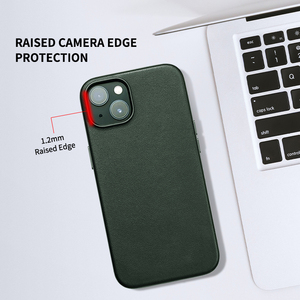
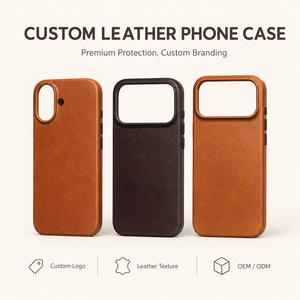
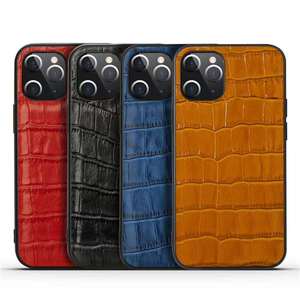
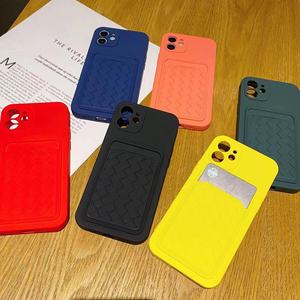
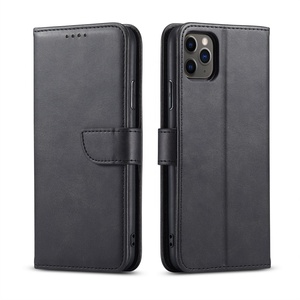
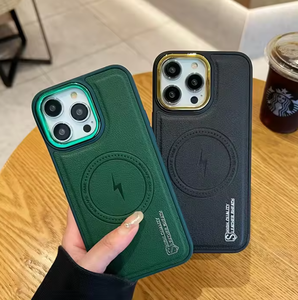
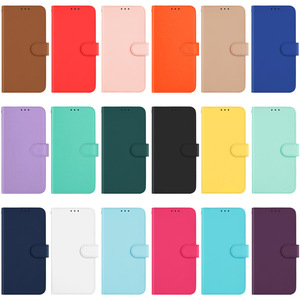
Designing smartphone cases for Polish end-users requires balancing harsh seasonal weather changes, high digital payment adoption, and strict ergonomic demands.
Poland is a European leader in mobile banking, contactless pay, and ubiquitous BLIK system transactions. Polish consumers favor folio cases and slim rear-card sleeves that securely house IDs or transit cards without introducing electromagnetic interference to NFC coils or Qi/MagSafe charging antennas.
With Central European winters frequently plunging below freezing across Masovia, Silesia, and Pomerania, inferior synthetic finishes turn brittle, craze, or delaminate. Our hydrophobic vegetable-tanned hides and freeze-resilient polyurethane backing resins maintain optimal hand flexibility and structural memory down to -20°C.
In Warsaw's financial districts and technological hubs across Wrocław and Kraków, executive aesthetics require minimalist design language. Muted shades like Cognac, Dark Oak, Hunter Green, and Obsidian Black dominate. Leather covers must seamlessly lock into magnetic car dashboard mounts during long commutes along the A1/A2 motorways.
Procurement directors and brand strategists operating within the Polish e-commerce landscape (notably Allegro, Amazon.pl, and Empik Marketplace) are navigating several key structural trends:
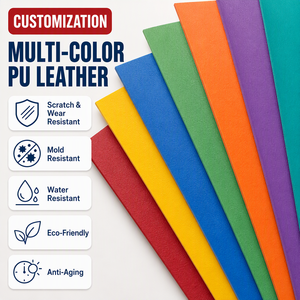
1. The Ascendance of High-End Eco-Conscious PU and Bio-Based Leathers: European consumers, specifically Gen-Z and millennial Polish demographics, prioritize environmentally responsible manufacturing. REACH certification is no longer optional—it is a baseline legal mandate. We supply certified water-based synthetic leather options and LWG (Leather Working Group) audited hides that guarantee zero detectable phthalates, azo dyes, dimethylformamide (DMFu), or hexavalent chromium (Cr VI).
2. Magnetic Ecosystems Become Mandatory: With the standardisation of Qi2 and MagSafe magnetic coupling geometries across flagship Apple and Android flagships, leather cases must integrate an array of 36 to 38 anisotropic sintered N52 neodymium magnets within a sub-0.6mm chassis envelope. Poor magnetic calibration results in inadequate attachment force to automobile docks, wallet snaps, or wireless power packs. Our production integrates precision RF-shielded ferromagnetic plates that maintain high hold strength while preventing battery overheating.
3. Micro-Invoicing and Private-Label Customization: Local Polish fashion accessories and lifestyle labels increasingly seek low-friction private label OEM partnerships. By utilizing multi-cavity CNC mold bases, precision laser-cutting, and computerized cold-foil debossing, we provide low-MOQ branding runs that allow local retailers to test seasonal colorways without capital-intensive inventory overcommitments.
4. Logistics Optimization: Rail Freight via the New Silk Road: Land transport via the China-Europe Railway Express (Zhengzhou/Chengdu to Małaszewice, Poland) has revolutionized supply chain velocities. Shipments reach central distribution centers in Poland within 14 to 18 days, providing an optimal middle ground between cost-prohibitive air freight and slow 45-day ocean vessel transits through Gdańsk.
Combining generations of artisanal leathercraft heritage with high-throughput ISO-certified industrial production lines.
Full chemical traceability on every hide. Sourced exclusively through tanneries certified under the Leather Working Group (LWG) and audited for zero hazardous SVHCs under European Regulation (EC) No 1907/2006.
Verified ethical governance. Our workshops operate under Sedex Members Ethical Trade Audit (SMETA) 4-Pillar frameworks, safeguarding clean labor, fair compensation, and documented workplace health and safety.
Integrated semi-automated skiving, automated CNC edge-painting, and hydraulic heat-press bonding stations guarantee uninterrupted supply stability across the peak Q4 holiday trading window.
Rooted in master leather goods craftsmanship since 1996. Our multi-generational technical leads translate bespoke designer sketches into high-yield, durable protective gear without ergonomic compromise.
Straightforward commercial, regulatory, and technical answers addressing the critical path of direct manufacturer importation.
Connect directly with our engineering and international trade consultants to request samples, review REACH compliance dossiers, or receive an itemized manufacturing quote.