
Engineered for hot-humid climates, everyday retail versatility, and multi-tier department store lines. Custom hardware, private branding, and low prototype sampling times.
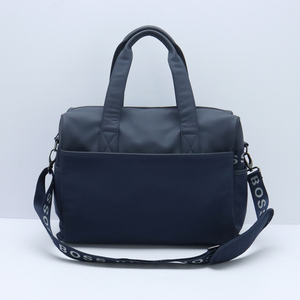
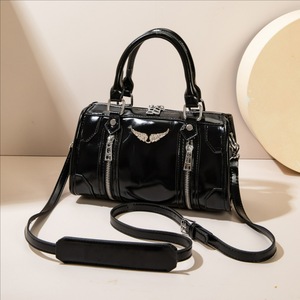
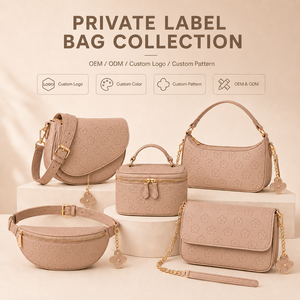
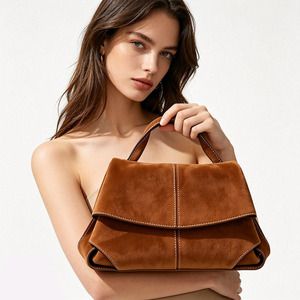
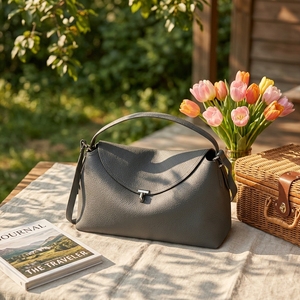
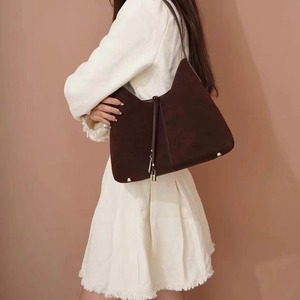
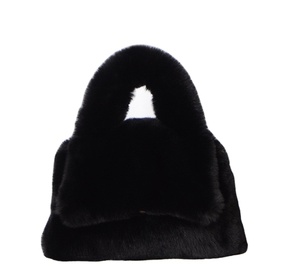
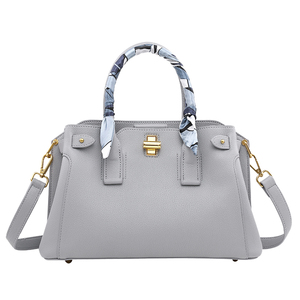
Operating with industrial discipline since 1996. We integrate certified raw material traceability, robotic pattern cutters, and multi-tier quality control frameworks audited under global standards.
Certified factory workshops complying with Sedex 4-Pillar labor regulations, fire safety protocols, clean chemical disposal, and equitable living-wage compensations.
Cowhides, nappa leathers, and suede are sourced directly from Leather Working Group certified tanneries, ensuring zero restricted azo dyes, chromium-VI risks, or uncontrolled wastewater output.
From initial 2D hand sketches and 3D CAD hardware rendering to rapid 5-day physical mock-ups, our patternmakers handle laser die cut formulation and custom branding tooling in-house.
The Malaysian retail and wholesale landscape for fashion accessories is experiencing an unprecedented structural upgrade. Driven by affluent urban centers like the Klang Valley (Kuala Lumpur and Selangor), Penang, and Johor Bahru, consumer expectations for handbags have migrated beyond disposable fast-fashion toward functional luxury, climate-resilient craftsmanship, and sustainable vegan/genuine leathers. For Malaysian brand directors, e-commerce powerhouses (TikTok Shop, Shopee Mall, Lazada LazMall), and established department store concessionaires, navigating the overseas OEM matrix requires deep visibility into industrial processing, material science, and regional customs frameworks.
"Procuring private label leather goods across the South China Sea is no longer just about per-unit FOB cost. The modern Malaysian retail margin is won on material resistance to 85%+ relative humidity, Form E customs clearance accuracy, and compliant hardware plating that survives equatorial sweat and monsoon rainfall."
A successful handbag lineup in Malaysia must solve real environmental and cultural usage demands. As an established export partner, we tailor manufacturing specifications to address three primary regional use cases:
Malaysian executive routines transition constantly between hyper-airconditioned offices (Petronas Towers, Bangsar South) and equatorial outdoor temperatures. Standard PU laminates rapidly crack under thermal expansion. We utilize high-yield micro-fiber PU and moisture-barrier bonded linings that safeguard laptops, cosmetics, and RFID wallets without deformation.
Malaysia is a global epicenter of modest fashion. Key annual sales cycles revolve around Hari Raya Aidilfitri and festive open houses. We assist local private labels in curating understated, elegant pastel palettes, intricate debossed geometric motifs, and modular multi-strap satchels matching modern Baju Kurung silhouettes.
With TikTok Shop GMV dominating Southeast Asian smartphone purchases, flash drops require fast turnaround, lightweight construction to control local Pos Laju / J&T courier fees, and pristine tactile finishes that pop instantly on high-definition 4K mobile broadcasts.
1. Hydrolysis Resistance (The 3-Year Peeling Defense): In Malaysia’s persistent 28°C–34°C tropical humidity, conventional bonded leathers suffer severe hydrolysis breakdown within six months on retail shelves. Our export-grade collections enforce polycarbonate-polyurethane blends (PC-PU) and breathable top-grain cowhides certified under rigorous 72-hour Jungle Test simulations (100% relative humidity at 70°C) to guarantee peel-proof performance over multi-year retail cycles.
2. Salt-Spray Hardware Metallization: Salt air in coastal shipping routes and skin transpiration in tropical climates will rapidly tarnish inferior zinc alloy clasps. Our bag collections leverage multi-layer electrophoretic sealing and 24-hour neutral salt-spray (NSS) tested brass and zinc fixtures that resist oxidation, copper greening, and scratch hazing.
3. Tariff Optimization via ACFTA Form E: Under the ASEAN-China Free Trade Area (ACFTA), Malaysian importers can claim 0% preferential customs tariff duties on eligible leather goods using properly issued Certificate of Origin Form E documentation. Our logistics desk provides direct compliance declarations, HS code alignment (Chapter 4202), and cross-border maritime clearance via Port Klang and Penang Port.
Schedule a tech-pack consultation, verify our SMETA social audit certificates, or request leather swatch ring kits tailored for the ASEAN retail market.
Get CatalogTransparent technical, regulatory, and logistics answers addressing real business inquiries for cross-border OEM contract manufacturing.
For fully custom OEM designs (requiring bespoke dies and custom metal logo tooling), our MOQ typically begins at 300 to 500 units per style, with options to split across 2 or 3 seasonal colorways. For ODM styles selected from our open catalog with customized foil debossing, we accommodate pilot drops starting at 100 units per colorway.
Under the ASEAN-China Free Trade Area agreement, presenting a validated Certificate of Origin (Form E) allows Malaysian customs agents to clear Chapter 4202 handbag shipments at a 0% preferential duty rate, rather than the standard Most-Favoured-Nation (MFN) tariffs, saving significant landed margin.
Initial prototyping requires 7 to 10 working days. Upon sample approval and deposit confirmation, bulk production spans 30 to 45 days. Direct maritime shipping from Guangzhou/Shenzhen to Port Klang typically takes only 5 to 7 days port-to-port, ensuring swift turnaround for seasonal launches.
Yes. We manufacture complete branded packaging systems including FSC-certified rigid presentation boxes, 100% unbleached cotton dust bags with screen-printed logos, branded hangtags, anti-mold desiccant silica sachets, and barcoded inner polybags ready for local automated warehousing.