
Benchmarked to high-end retail tolerances, custom hardware integration, and comprehensive physical testing regimes.
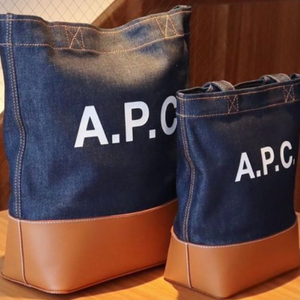
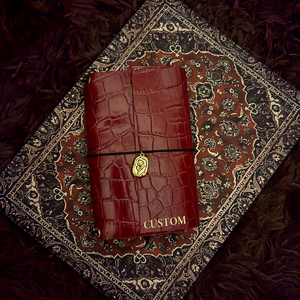
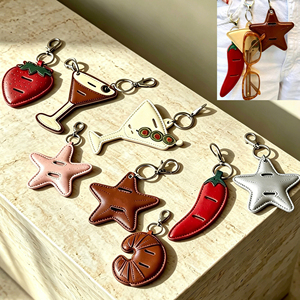
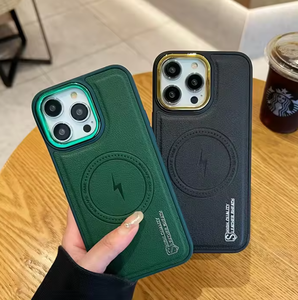
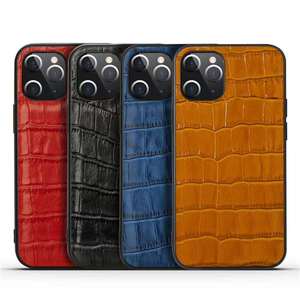
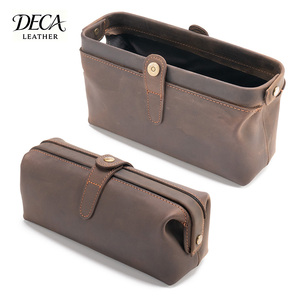
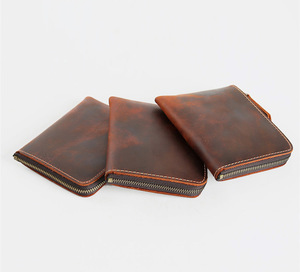
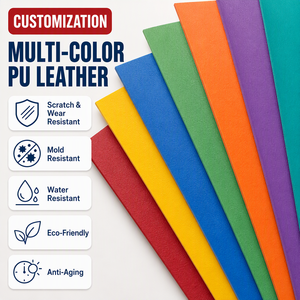
For high-volume retail conglomerates, boutique fashion houses, and lifestyle accessories labels, sourcing full-grain leather goods is an intricate engineering challenge. Full grain leather—the highest structural tier of bovine hide—contains the unbuffed, intact epidermis and papillary dermis. Unlike corrected, split, or lower-tier PU composites, genuine full-grain leather demands uncompromising metallurgical precision in die-cutting, computerized moisture monitoring, and non-linear skiving protocols.
Operating as a Government of India Recognised Export House since 1996 with multi-generational technical ownership, our manufacturing ecosystem combines artisanal heritage in Kolkata with lean industrial throughput. This whitepaper establishes the procurement benchmarks required for senior global sourcing managers and technical designers aiming to minimize structural failures, secure ethical supply networks, and navigate international regulatory shifts.
The term "Genuine Leather" frequently serves as an ambiguous marketing umbrella that masks significant structural variations. In technical contract manufacturing, the distinction between full-grain, top-grain, and split compositions directly influences edge-finishing longevity, tensile strength, and break-angle elasticity:
| Substrate Classification | Grain Layer Architecture | Tensile Strength (ISO 3376) | Bally Flex Resistance (ISO 5402) | Recommended Category Utilization |
|---|---|---|---|---|
| Full Grain Bovine | 100% Intact Papillary Dermis | ≥ 22.0 N/mm² | > 150,000 cycles (No cracking) | Luxury Attache Briefcases, Carry-all Totes, Heritage Wallets |
| Top Grain (Corrected) | Buffed Surface with Polymer Finish | ≥ 16.5 N/mm² | 50,000 - 80,000 cycles | Commercial Handbags, Tech Accessories, Uniform Belts |
| Split Leather (Suede/Bicast) | Reticular Layer Only (No Natural Grain) | ≥ 10.0 N/mm² | 20,000 - 40,000 cycles | Interior Linings, Structural Underlays, Low-stress Accents |
| Technical Composite (PU) | Microfiber / Polyurethane Matrix | ≥ 14.0 N/mm² | > 100,000 cycles | Vegan Product Lines, Precision Molded Electronic Sleeves |
Modern procurement executives are recalibrating their supplier matrices in response to macroeconomic, geochemical, and geopolitical developments. When contracting an OEM/ODM manufacturing facility, four core operational shifts dictate market performance:
By late 2025 and into 2026, European Union Deforestation Regulation (EUDR) mandates exact geolocation mapping to origin ranches. OEM partners must maintain immutable digital lot-tagging protocols from green hides through tanned sides.
Chrome-free (F-98) and synthetic-free vegetable-tanned systems are moving from small runs to high-volume manufacturing. Formulations must maintain wet-rub fastness (Veslic ≥ 4/5) and suppress Hexavalent Chromium [Cr(VI)] formation under UV exposure.
Rising inventory carrying costs are shifting brands away from rigid 3,000-piece Minimum Order Quantities (MOQs). Automated laser cutting and agile line setup allow our facilities to support seasonal launches starting at 300 to 500 units per colorway.
Precision full-grain goods require consistent execution across each manufacturing station. Minor discrepancies in hide splitting or glue curing can degrade structural integrity across mass production runs:
Step 1: Wet-End Chemistry & Tannery Audit: Hide preparation is handled exclusively by Leather Working Group (LWG) certified tanneries. Hides undergo lime-splitting, de-liming, and precise drumming using high-grade mimosa, chestnut, or stabilized basic chromium sulfates. Water treatment and effluent management are audited to strict environmental standards.
Step 2: Digital Grading & Micro-Die Cutting: Hides are scanned for stretch orientation, neck wrinkles, and vein lines. We align the cutting orientation with structural load requirements—ensuring tote bag straps follow tight spinal fibers, while side gussets utilize looser belly sectors for natural flexibility.
Step 3: Edge Thinning, Inverted Skiving & Bonding: Structural edges are bevel-skived down to ±0.1mm tolerances using automated Comelz machinery. We utilize eco-friendly, zero-VOC waterborne adhesives that undergo thermal activation to prevent delamination in humid retail conditions.
Step 4: Mechanical Assembly & Multi-Coat Edge Painting: Artisans assemble panels using industrial cylinder-bed sewing machines with bonded nylon-6,6 filament thread. Raw leather edges receive a base primer followed by 3 to 4 coats of flexible polyurethane edge paint, with oven drying and manual sanding between each layer.
Step 5: ISO-Benchmarked Laboratory Validation: Finished production units are tested in our internal quality lab: hardware salt-spray chambers (ASTM B117 ≥ 48 hours), strap pull-testers (≥ 250N pull strength), and spectrophotometric color verification under D65 daylight lamps.
As a female-founded, second-generation enterprise rooted in Kolkata, we provide reliable contract manufacturing for brand managers across the globe:
• Scalable Production Infrastructure: Over 60,000 units in monthly capacity across soft handbags, briefcases, small leather goods, and belts without outsourcing to unverified sub-contractors.
• Third-Party Compliance: Production lines operate under strict 4-Pillar SMETA (Sedex Members Ethical Trade Audit) standards, covering fair wages, workplace safety, and zero child labor.
• Integrated Tech-Pack Development: From initial CAD patterns to physical samples in 7 to 10 working days, backed by a proprietary archive of over 1,200 developed hardware molds.
Detailed guidance on MOQs, lead times, export logistics, and technical specifications for sourcing managers.
Consult with our engineering team to review tech packs, calculate bill-of-materials yields, or schedule an on-site factory and tannery audit in Kolkata.
Get Catalog